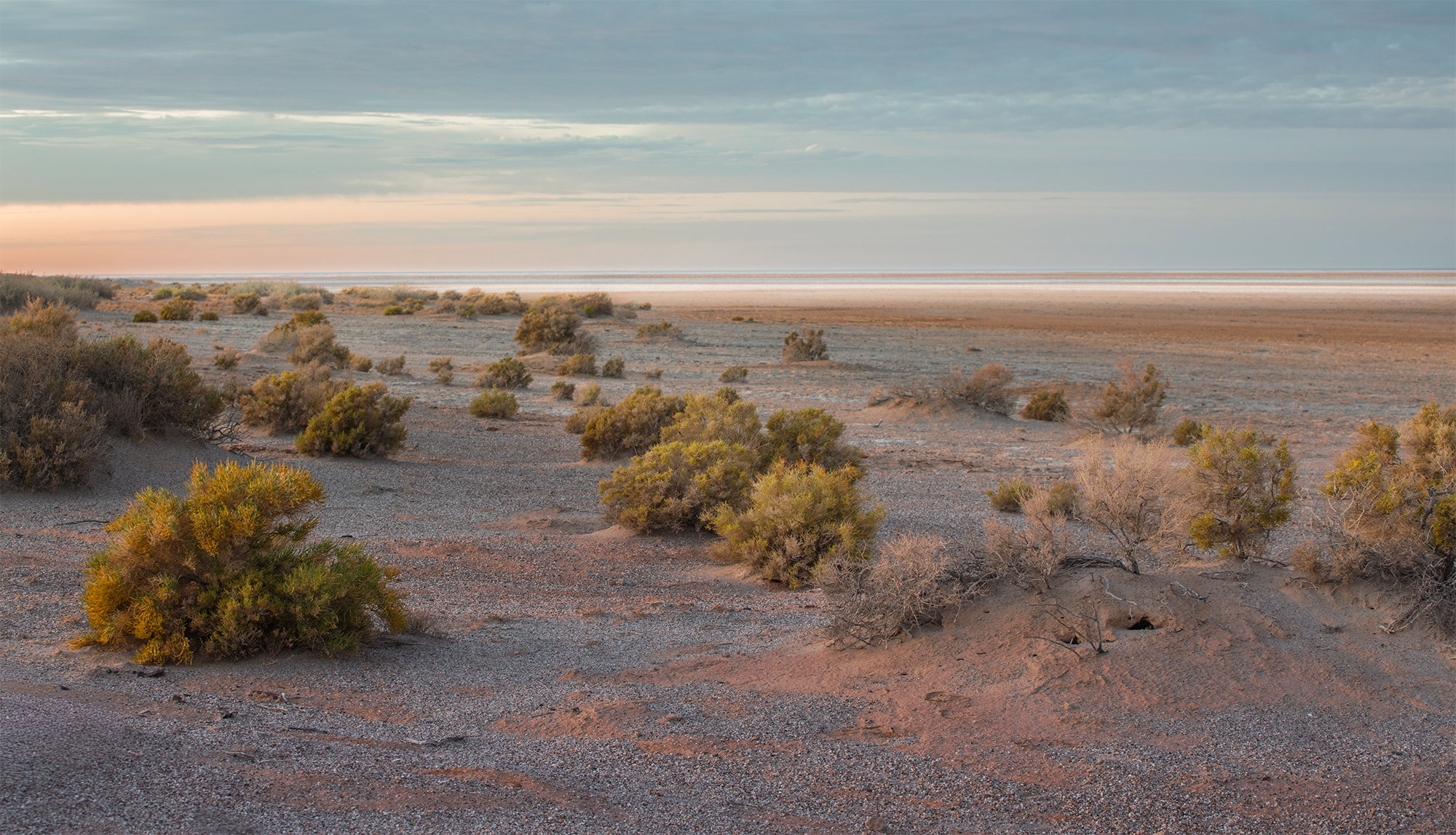
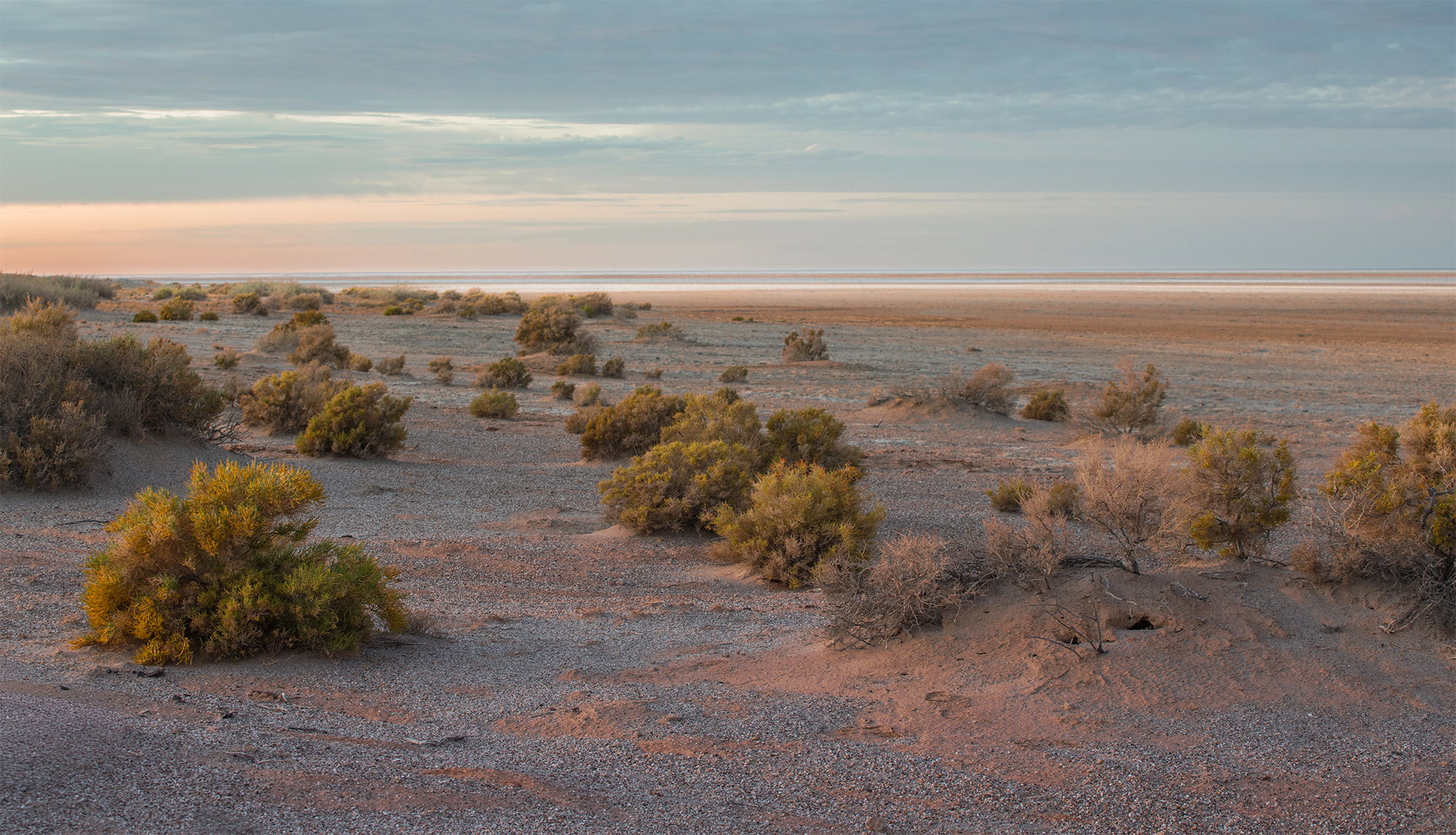
What changed: I’ve changed a streak of diagonal light through the middle. I was wondering about a different crop like Jaeck and Holly mentioned. I didn’t want to lose that little mound of sand in the front, so I hope this has worked. Salt lake in the distance also enhanced a touch.
Added after receiving feedback from the community.
The photographer is looking for thoughtful feedback on the image as a whole, especially around the areas noted below.
Feedback Focus: Artistic / Expressive
About This Image
The salt lake, Kati Thanda (Lake Eyre) sits 15 metres below sea level and is vast. Kati Thanda covers 9000 square kilometres and sits in Australia’s most arid region. When heavy rains fall in Queensland, the floodwater flows through countless channels, eventually filling the lake. The birds know when the lake is filling. Unlike many water birds in other parts of the world that regularly migrate in spring and winter, Lake Eyre sees nothing like that. Thousands upon thousands of pelicans, stilts, Red-necked Avocets, terns, raptors and birds from Russia and China start to descend on the lake when it starts to fill. It’s a scientific mystery. How do the birds know?
When we camped on the edge, we didn’t see a single bird…or lizard. The silence was quite unreal.
Glenys, this is a very desolate view and the silence is deafening. You’ve got a fine collection of subtle colors and textures both in the land and the sky. It would be great fun to be there when the water and birds show up. Is there a “rainy season” or are the rains random?
Glenys, first of all I love the photo. The colors and the composition are great. But I think the background really takes it over the top for me. Knowing at some point the birds will come but not knowing when. Waiting, waiting….
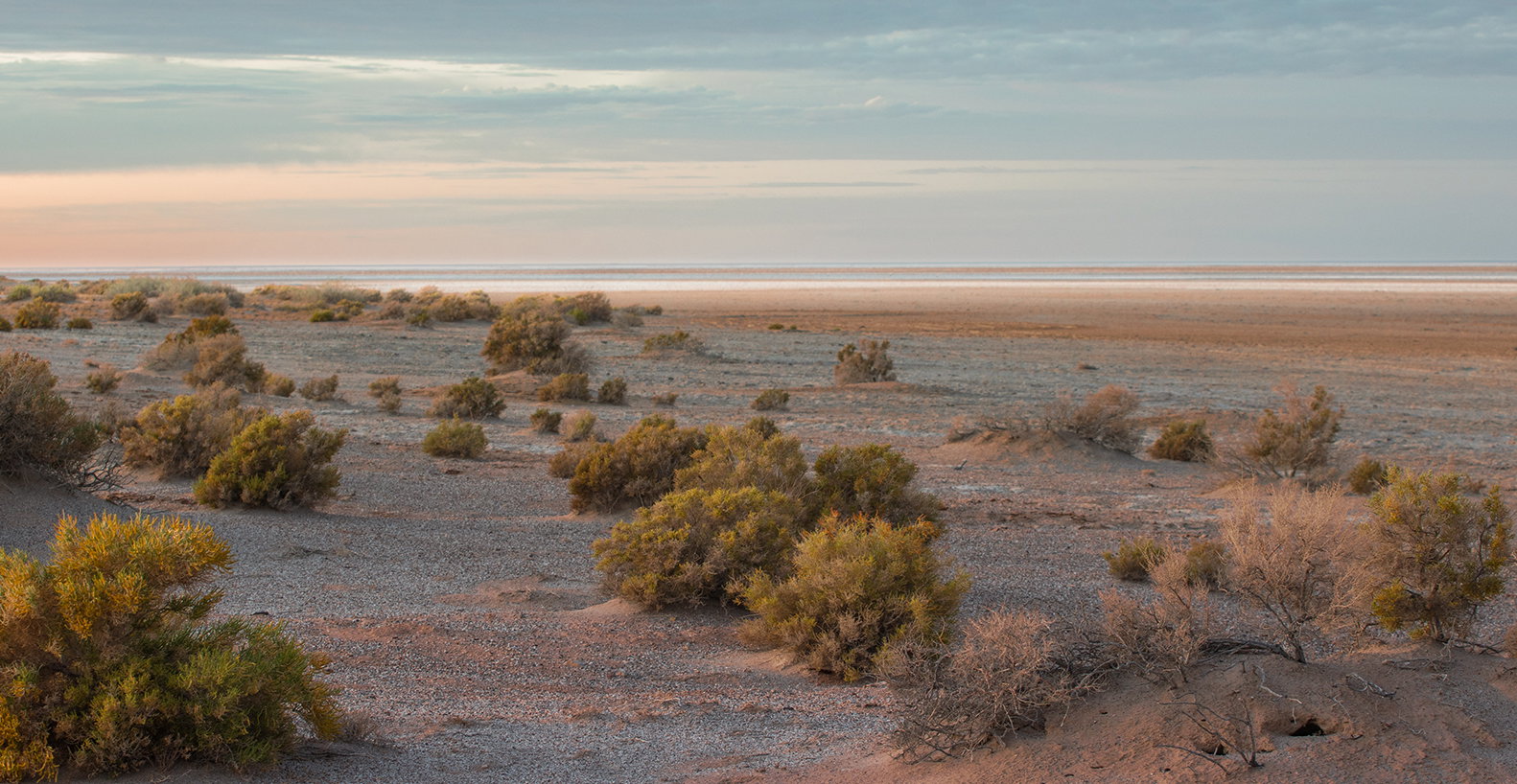
Glenys, it’s a beautiful image. Your combination of the soft light, pastel colors, vast space and calm sky is excellent. I like the three converging leading lines. My personal preference would be to accentuate those lines through changing the crop a little. I would also concentrate attention of viewers on the ground as there is more going on.
I have an impression that the horizon is slightly tilted which is more visible after cropping the sky but I’ve not changed it in my Processing Example.
@Mark_Seaver Thank you! Northern Queensland has two seasons; the wet and the dry. The wet starts in November and huge amounts of rain fall until around March/April. Western Queensland, (a part that I am very fond of) is often called the Channel Country. Thousands of braided, intertwined creeks and mighty desert rivers move slowly through red sandhills and across gibber plains until they reach Lake Eyre.
Thank you @JacekZielinski for taking the time to look at my image! I like your crop very much. But, also I liked the little mounds of sand held together by the samphire. The horizon was a bit tricky. I think it’s because there is a change from the white salt lake to the red sand. But, I stand to be corrected there!
Beautiful shot, Glenys! The light that morning was lovely and really made for some beautiful pinks in the sandy areas. The design of the shrubs is pleasing and leads the eye nicely. I can understand why you and to include the sand mounds. Maybe a crop that is something between yours and what Jacek suggested to bring the line of the shrubs out just a pinch more.
Glenys: It’s always a delight to see your part of the world through your eyes and vision. I love the light and the revision enhances that very nicely. A simple scene perhaps but a compelling image nonetheless. Top notch. >=))>
This is wonderful and the revision puts it over the top! Immediately recognizable as an “abandoned lakeshore” – but what an interesting story about it filling in the rainy season, and even more interesting about the birds coming! How can they know?? And what suddenly appears for them to eat?
The horizon looks good to me – it is so far in the distance that there could be some mirage effect. I get the feeling that central Australia is so big and so flat that I could imagine seeing the curvature of the earth! (Maybe only at the end of a hot day after one of your serious beers!)
Glenys, your dodging has added some good extra depth to the scene. LIke you, I think the sand and pebbles at the bottom are an important part of the view.
@Diane_Miller With flooding in Far North Queensland and the Gulf Country, fish and crustaceans and other critters get washed into Lake Eyre. Rumour has it that pelicans send scouts from the coast. They fly high and can cover vast distance…and then report back to their coastal friends. Other theories include birds having the ability to detect infrasound, barometric pressure or smell the flooded salt flats on the breeze.
I wouldn’t doubt some intelligent scouting. I’m reading “Becoming Wild” by Carl Safina – a fascinating look at animal intelligence, and about to start “The Bird” by Colin Tudge. If it’s as comprehensive as his “The Secret Life of Trees”, I won’t be able to put it down.