I´m David Thompson, ask me anything

If you’re not an NPN member yet, you can join our free tier to ask questions in the AMA or to get the full benefits of what we offer; you can join here.

Hello NPN

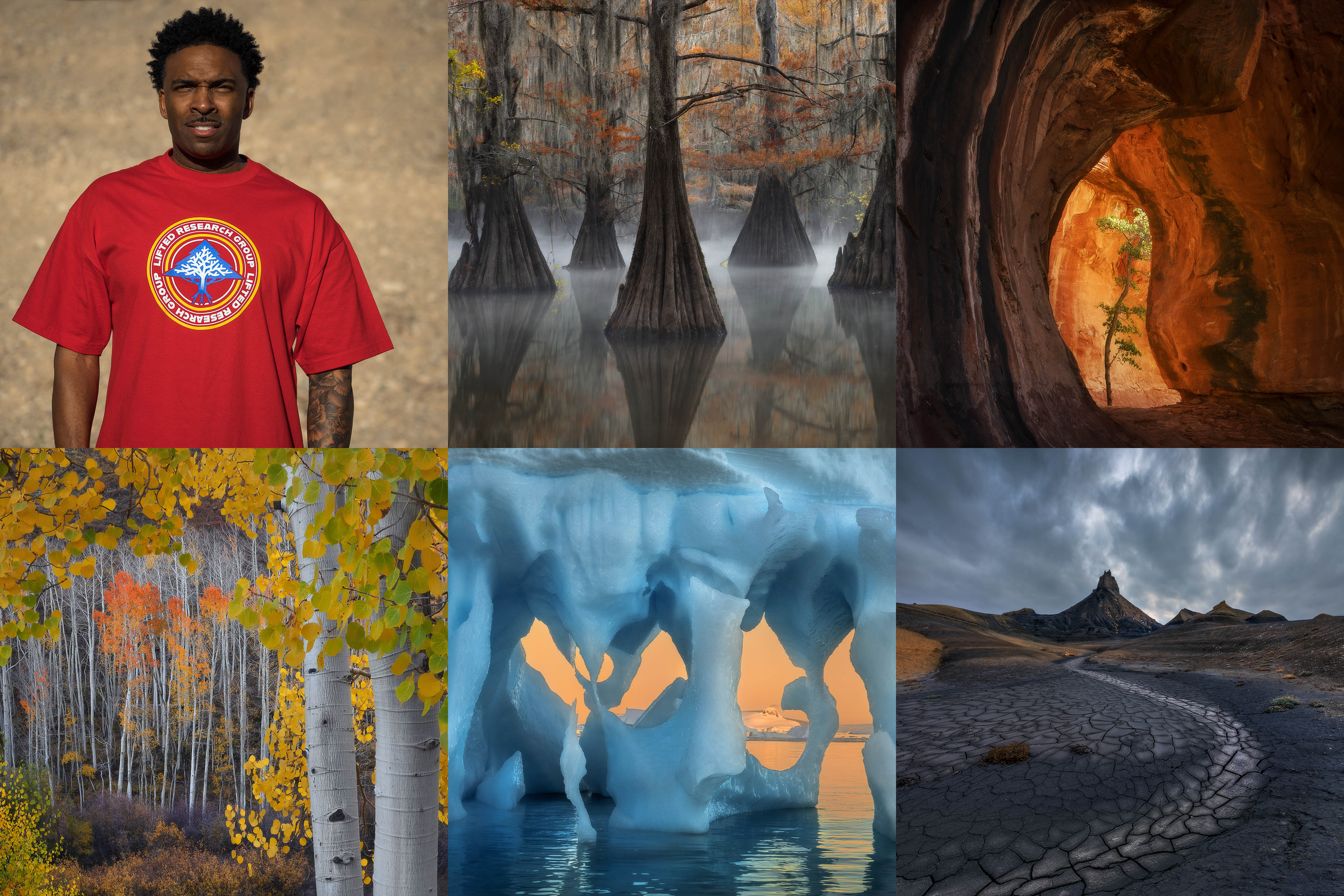
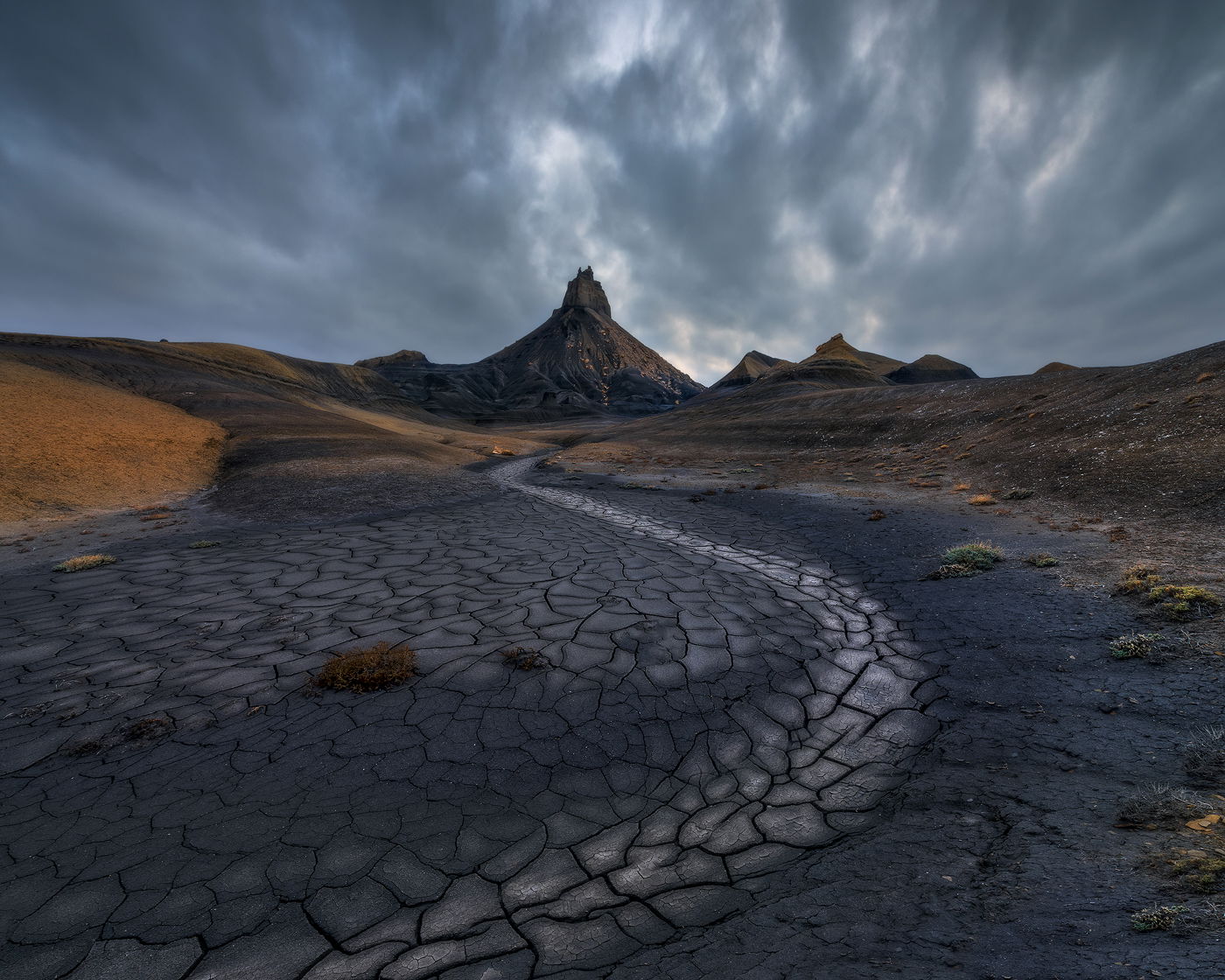
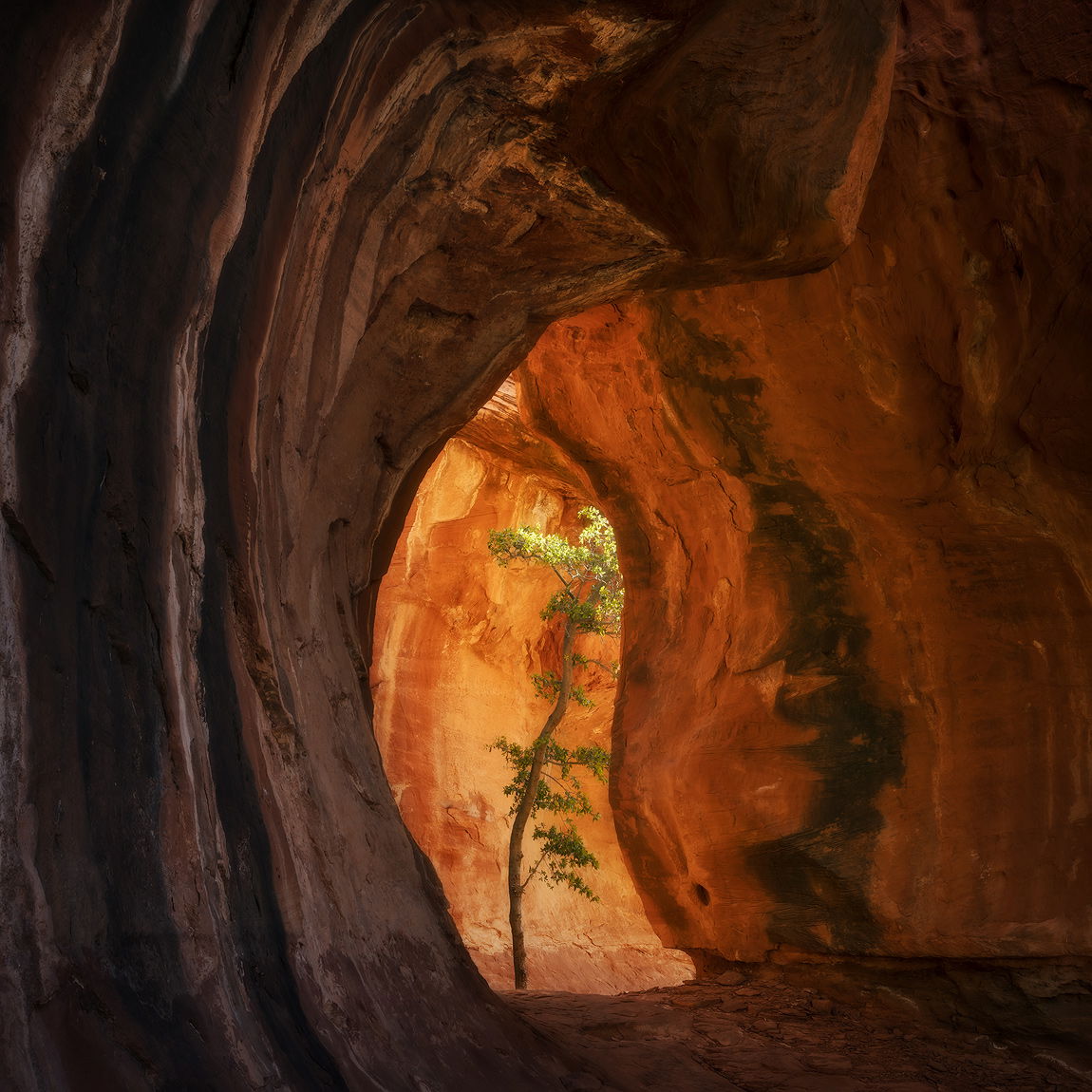
My name is David Thompson and I’m a landscape photographer based in Las Vegas, Nevada. I like to tell people that I am a very boring, yet ordinary guy with a camera. I spend a lot of my time wherever the light and land take me. I like to keep my photography simple: I like chasing scenes that move me and try to make sense of the world through my lens. When I’m not out in the field exploring and photographing beautiful places, I’m usually at home, parked in front of the computer, immersed in the editing process. It’s not anything glamorous, but it’s where a lot of the magic (and hard work) happens. I’m constantly learning, tweaking, and pushing myself to evolve creatively. For me the creative process never stops!

My work doesn’t stick to one specific type of landscape—deserts, mountains, forests, abstract patterns, grand vistas… if it catches my eye and stirs something in me, I’ll photograph it. Thats it! I also spend time sharing what I’ve learned through in-person workshops and online teaching, which has become a rewarding part of my journey. At the end of the day, I’m just someone who loves the craft of image making and is always trying to grow in it. I am looking forward to answering ALL of your questions! No question is off limits! Let’s go!

Website: https://www.davidthompsonphotography.com

AMA Rules:

  • Please only ask one question by replying to this topic a single time, using the “Ask a question” button at the bottom. It’s also helpful to scroll to the bottom while reading the topic to make sure nobody else has asked the same question first before you ask.
  • Please don’t ask more than one question so everyone gets a chance.
  • Please do not reply to anyone else’s post. The only purpose of replies on this topic is to ask the author one question. Please create a new topic if you’d like to discuss a related topic in more detail.

Posts not following these rules may be removed by moderators to keep the Q&A flowing smoothly. Thank you!
1 Like

Hi DT! Tell us a little about how you got started in photography.

1 Like

Greg! I miss you buddy!

Real boring story…..

I have always been an inquisitive/curious person….always asking how or why, or what’s over there. As a kid I would spend time looking at pictures in the encyclopedia or would be looking at various maps….the Topo ones were my favorite. But there was always this curiosity in photographs. Living in New Mexico as a kid I spent quite a bit of time in the e outdoors. From there my parents and their work friends introduced me to more outdoor activities. As time went by and I got older I wanted to capture more of those outdoor experiences. This is where my interest in landscape photography began.

My photography journey started out with film cameras, which I failed at miserably. Although I didn’t make great images with film, it did teach me to have patience. Which ended up being valuable later on. I then transitioned to digital cameras and from there that’s where my journey really took off, and here we are some years later doing Ask Me Anything on NPN :slightly_smiling_face:

1 Like

Hi David, Your pictures are beautiful. Coming from film, I am conflicted with the amount of adjustments that are possible while retaining integrity to the original scene (eg. Sky replacements etc.). What kind of post processing did you do to the images shown in the portfolio?

2 Likes

Roby

Thanks for stopping by and welcome to NPN

That’s a great question! I try to balance my imagery in a natural state, but yet have a touch of artistic vision as well. I want to have that not too much and not too little look to my imagery. With all of that being said, I like to tell people I let the light dictate how I process my images. I like to keep things simple as possible and treat my processing with a gentle hand. I prefer photographing in low soft light….with that natural glow that occurs in this type of light. The colors are vibrant with pop, the mid tone contrast is just right, subtle shadows, with nice color separation.

3 Likes

Hello David!

As you know I really love your images and post processing techniques. How did you develop your ability to compose images, perhaps it is natural talent? Thank you for being on AMA!

1 Like

Bill thanks for the kind words, I really appreciate it.

Composition…it’s hard! It’s something that I consistently try to get better at every time I go out into the field. Like anything else, it takes time to develop an eye for composition. It takes time, to “see” and “feel” the landscape. This comes with experience, spending time at certain locations, multiple visits, seeing different landscapes, stepping out of your comfort zone and trying something different, and lastly I would say a lot of trial and error… and accepting failure.

Early on when I first started with digital photography, I purchased this book by Michael Freeman called the Photographers Eye. It was my first introduction in composition and the different composition types. This was a good foundation for me, and I took those concepts in that book, and slowly started to apply those concepts to my own work. It took a very long time and a lot of hard work to really start understanding these compositional concepts. Once I got comfortable with the concepts and the application, my vision really took off at that point. Now…and even within the last, let’s say 6-8 years I feel like my work is finally at a place where I am comfortable with. I am still evolving, still learning and refining my eye for composition and looking for ways to see and capture the landscape in a different and unique ways if possible.

1 Like

Hey David, Good to see you here! Love the diversity in your images–if forced to chose, what is your favorite place in the world to photograph?

1 Like

How’s it going Stan! Hope you are doing well! It’s been a while!

Wow…thats a great question! This is a tough one. You mentioned diversity in my work…thank you for that, so I’m going to base my answer upon that statement, and choose a place where I can photograph everything from small scenes, wide vistas, forest and trees, badlands, drone work, and various canyons, that place would have to be the American South West, specifically the state of Utah!

The only other place that I have been to that can come close to checking all those boxes is maybe Iceland. Icelands doesn’t have many trees and woodland areas, but Iceland does have the coast, which I don’t photograph the coast very often. But the state of Utah has so much cool stuff to photograph, and I haven’t even explored all that much of that state. But if one is looking to photograph a diverse landscape, Utah is the place!

1 Like

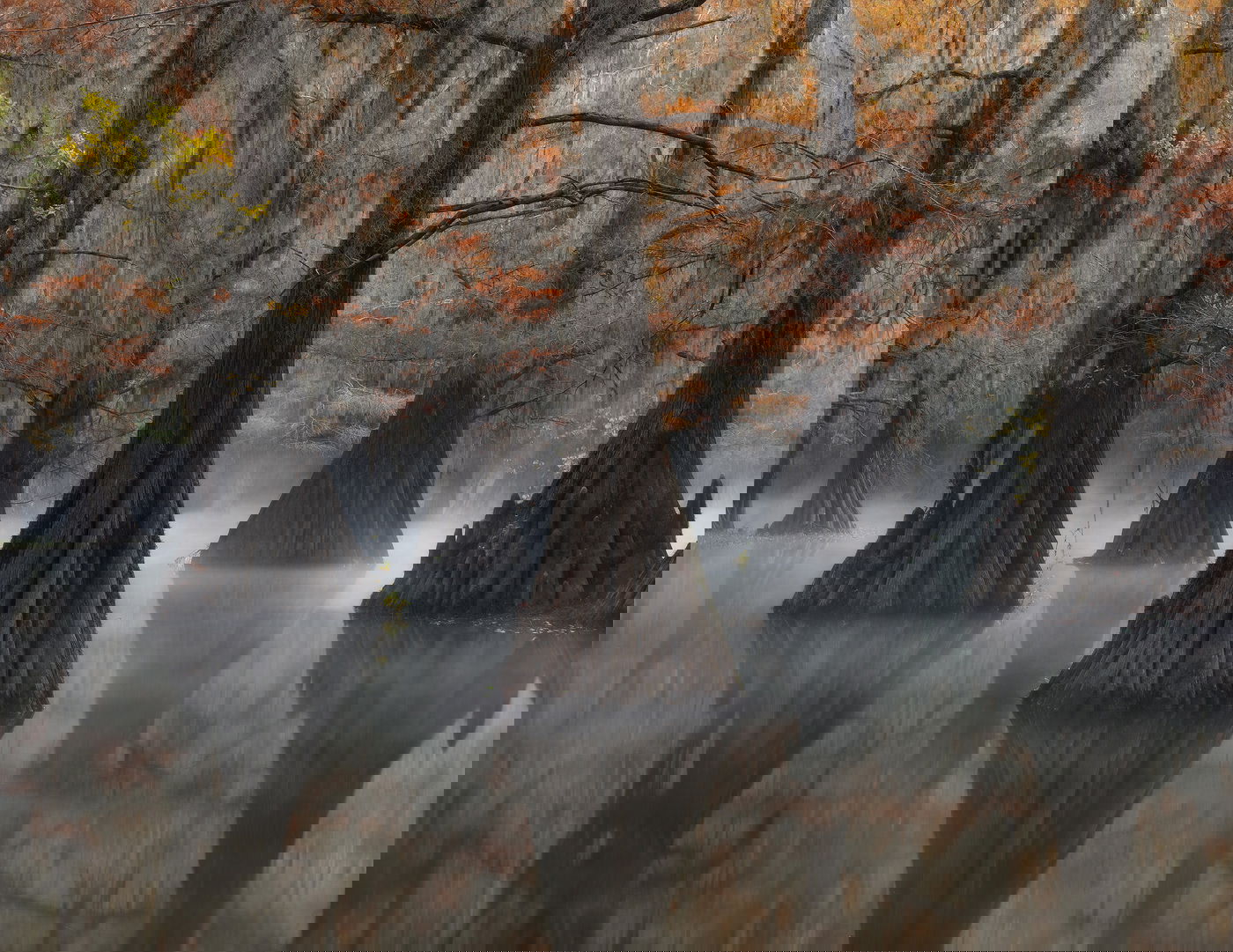
Hey David! It is no secret that I am huge fan of your work; not just the diversity of it, but the flawless processing applied to each and every image. It was your work from Caddo Lake that inspired me to photograph that area.

I know you had at least one trip to Colombia, and I remember seeing some images from that trip. My question is twofold: are you planing on going back there, and what are the top three places on your list that you would like to visit and photograph that you have not yet been two?

And thank you for sharing your work; it is hugely inspirational!

1 Like

Fritz

I greatly appreciate the kind words. Thank you very much.

I have made the trip to Colombia two times already, and there is a posibility that I may go again in the next month or so, depending on if plans go through on another country that I’ve been eyeing, so we’ll see. But there are definitely plans to visit Colombia again! Only a matter of time.

My list of places that I’d like to visit is always changing. One day its one area, another week it’s something else, but as of now, and these first couple locations have been consistent, are Madagascar and Tasmania. These two countries are high on my list. The last location that looks really interesting to me, is Seychelles. These are locations that you don’t see many images coming from and I think these areas would be awesome to visit, and it’s just something different.

Thanks again for the kind words Fritz

Hi David,

Looking forward to meeting you at Out of Olympic. At the core, our photography is for very personal and selfish reasons, which in itself is sufficient justification for our passion. However, we may have aspirations for our work to make greater contributions. What contributions do you hope your work will make and what are you doing to get there?

1 Like

Robert! So glad to hear that you’ll be at the Out of Olympic conference! Looking forward to meeting you as well.

I really like this question, and at some point, I would like to dive into this more on a larger scale, but what I hope to achieve /contribute to this landscape photography community is the inclusion of more diversity with minorities and people of color. I think it would be awesome for more minorities to be able to experience the outdoors and have a camera with them, so they can tap into that creative space as well. I feel that my journey, experiences, and imagery could help people in some type of way, and have someone of color say, “hey, he’s like me”, I can do this too. Just that alone would be suffice.

I rarely see people of color out photographing the landscape. Over the years I have seen more people of color out in the outdoors which has been great to see. But, I would like to see more people of color with cameras in hand, and pursuing the art of image making as well. I feel like social economic reasons and not much encouragement with in the communities, schools, and households advocate to explore the outdoors yet alone open the minds of younger people to explore the arts in general on a creative level. I have had this discussion with some of my peers in the past, and there isn’t much out there, that I’ve seen, that has emphasis on this topic. There are some social media groups here and there, but nothing that really taps into landscape photography. I think there is a lot of potential out there, and there is a way to get people involved, but it’s a matter of getting people interested and sparking curiosity. This is something that I hope to explore and be more proactive with in the future.

4 Likes

Hi David

I love your images of Death Valley, especially sand dunes and badlands. They have so much depth and feeling in them. I am very moved by them.

My question is in regard to handling the dynamic range in your images. How often do you bracket your shots in capture? I often find that in exposing for highlights I need to recover deep shadows. I am often not happy with the quality of the darks and find they are hard to match with the highlights.
I would appreciate any information you can share on how you handle high dynamic range in capture and post processing.

1 Like

Bob! How’s it going! Thanks for stoping by! I absolutely love photographing dunes and badlands! Both are favorite subjects that I enjoying spending time with, and each one shines in different types of light.

When it comes to how I handle dynamic range, I try not to over complicate how I capture the scenes in the filed. The camera systems of today handle dynamic range accordingly…..I tell people I work with, take advantage of your camera sensors! When I’m in the filed I capture what I see…..I expose for what I see. If the scene is calling for bracketed images, then I’ll bracket. If it’s calling for one exposure, maybe slightly under exposed, then I’ll do that. Most times, believe it or not, when I do bracket, I don’t even use all the images. When I do bracket, I expose for highlights only, and in post I will open my shadows, darks and blacks up in LR/ACR, make the shadows somewhat flat, and then build contrast back up in PS. It’s a balancing act of fine tuning those shadows and highlights. In extreme high dynamic range situations I will take care of the highlights first with multiple images, then once that’s done blend that image into my foreground/base image.

I’ll end with this….don’t get overly caught up with opening up your shadows from a darker exposed image….. in fact, I encourage you to expose for highlights, bracket if needed and use the files that you’ll need accordingly. The camera sensors….most of them, can handle shadows being opened up with very little noise. If the file starts to loose quality, use the properly exposed image for the shadows.

1 Like

David really inspired by the beauty of your images and what I have heard you talk about and share. I am so glad you brought of the diversity – or lack there of – in the photo world and landscape photography in particular. As I was thinking about the question to ask you, and idea came to me. But I would first like to hear your thoughts on maybe ways to get younger people into photography – and particularly youth of color. Have you been involved with or know of any programs that work with getting kids more exposure to photography? I know the cost of equipment is likely the biggest hurdle for anyone, so looking for ideas to even make that more possible for people. So, any ideas you have or have run across and can share, would be great. (And I am going to a photo conference soon, and this is something that I’ll be bring up there as well – to the almost 100% older, white audience. ) Thanks for sharing your work and time to be on this NPN AMA.

1 Like

Patrick

thanks for stopping by! much appreciated!

I appreciate you bringing this up because I think this is a topic that can be uncomfortable to talk about. But I think topics of inclusion and diversity are necessary to bring up, particularly in this medium. Getting people of color/minorities involved in the outdoors and arts can open up opportunities, but more importantly, opening the minds and hearts to what’s out there in the world. To be able to open peoples minds up to go explore, to visit areas outside of urban environments, and to make visiting unfamiliar places ok…theres much to benefit with this.

There are a couple programs that I have came across that are doing a great job of connecting people of color with outdoor activities, trips and volunteer work. One specifically that I am hoping to do work with at some point, is https://outdoorafro.org.
I have been following this organization for sometime now and they are active in the pursuit of diversity and inclusion in the outdoors. Unfortunately, I haven’t seen any programs or mentions of photography with them or others. And this is where my imagery and myself come into the mix. I may have to insert myself or just reach out to them to see where and how I can get involved. What can I do to get a narrative started?

Getting the youth involved will be a challenge…but I think it’s possible. I’ll use my son as an example. My son is 17 years old. Like any other teenager at this time, they are heavily dependent on cell phones. As you know, these cell phones can make great images and make fantastic videos. For todays youth, there is no need for the equipment that we use for our photography…UNTIL they see what the cameras can do. I was in Costa Rica on a family trip, and I had my wife and son deep into the forests when I was photographing waterfalls. My son asked me, can I see the back of your camera and what you’re photographing? Yes son, look at this. I broke down the whole process of how I was capturing this waterfall. After the 1-2 second exposure, and the image popped up on the back of the LCD of the camera, he was shocked! He saw that silky smooth water from the long exposure, and his mind was blown! I could see the excitement there. He then proceeds to tell me, “my cell phone can’t do that.” Correct! This is where the introduction process into better equipment starts, and what our cameras can do, and what cell phones can’t. But we need more situations like this. I feel the biggest question is “how”? How do we introduce this to younger people? And how do we introduce this to younger people in communities where the outdoors and photography are not advocated for?

Lastly, anyone getting involved with photography right now, has the advantage of getting older camera systems for fairly cheep. What would be great if there was an organization that took in donated camera equipment, that could distribute to programs that focused on introduction to photography to the youth, women, and minorities. We all have equipment that we don’t use. If we all chipped in, and gave just a little bit of our old equipment, I’m sure there’d be enough to go around.

This topic was automatically closed after 26 hours. New replies are no longer allowed.