The photographer is looking for generalized feedback about the aesthetic and technical qualities of their image.
Description
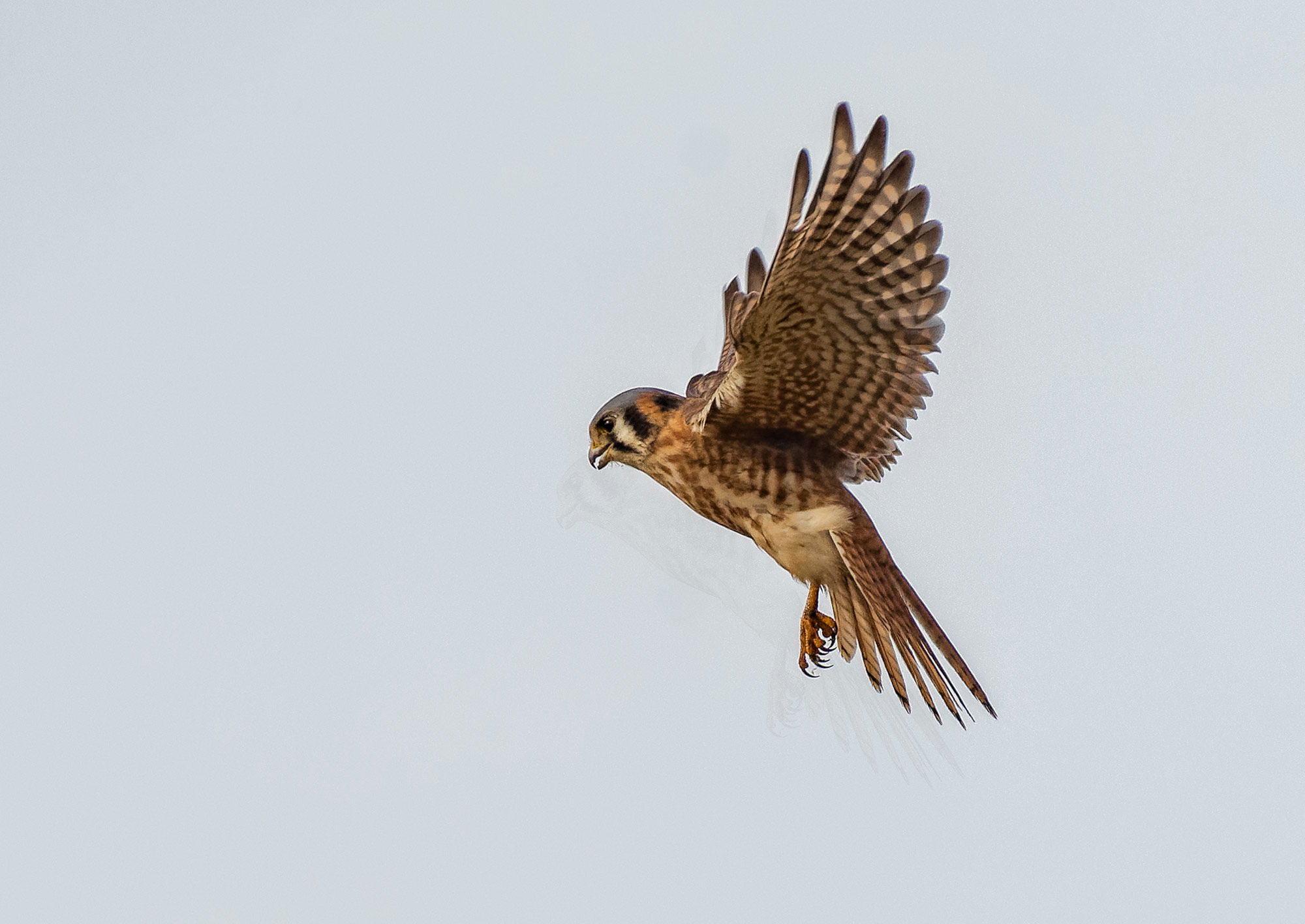
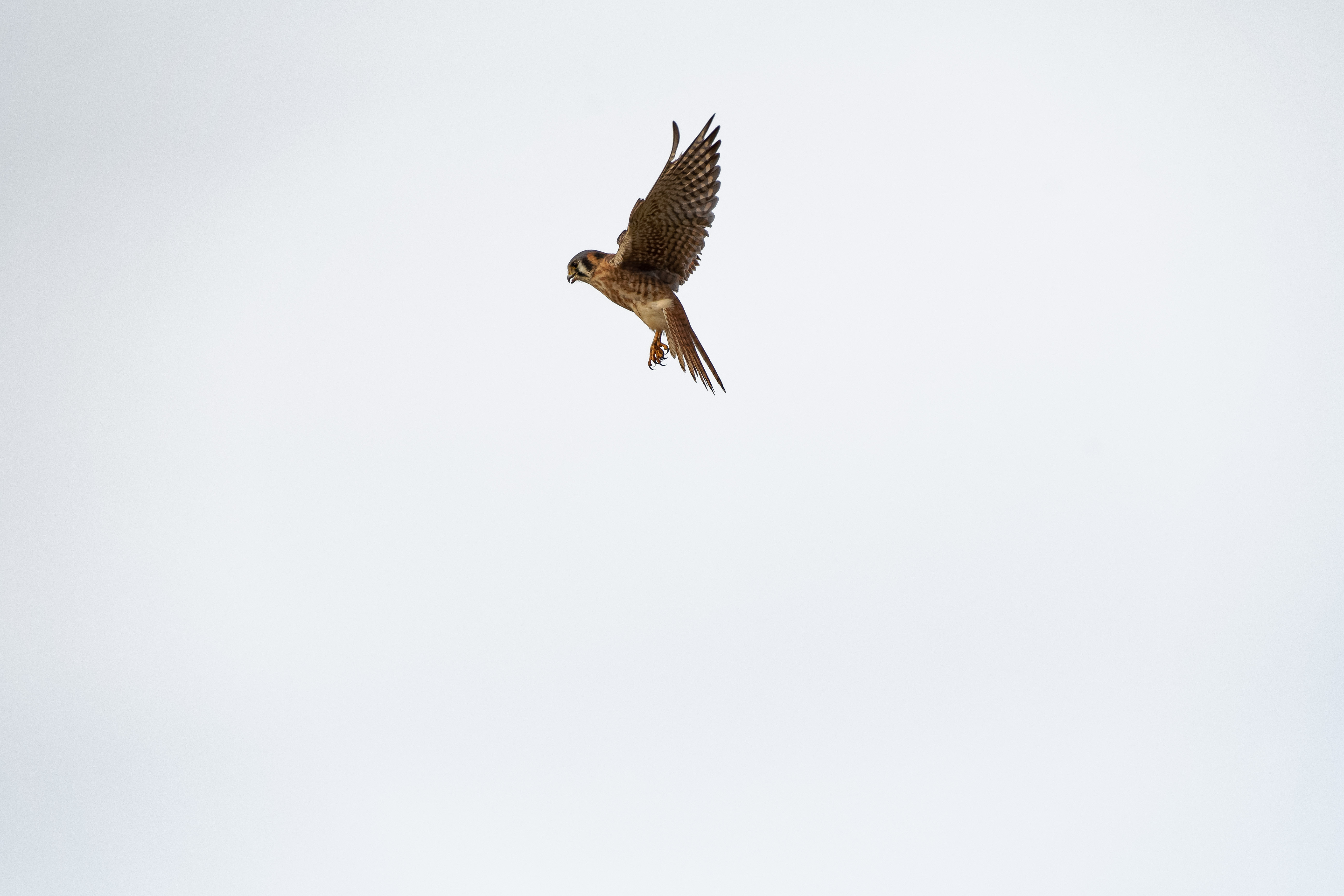
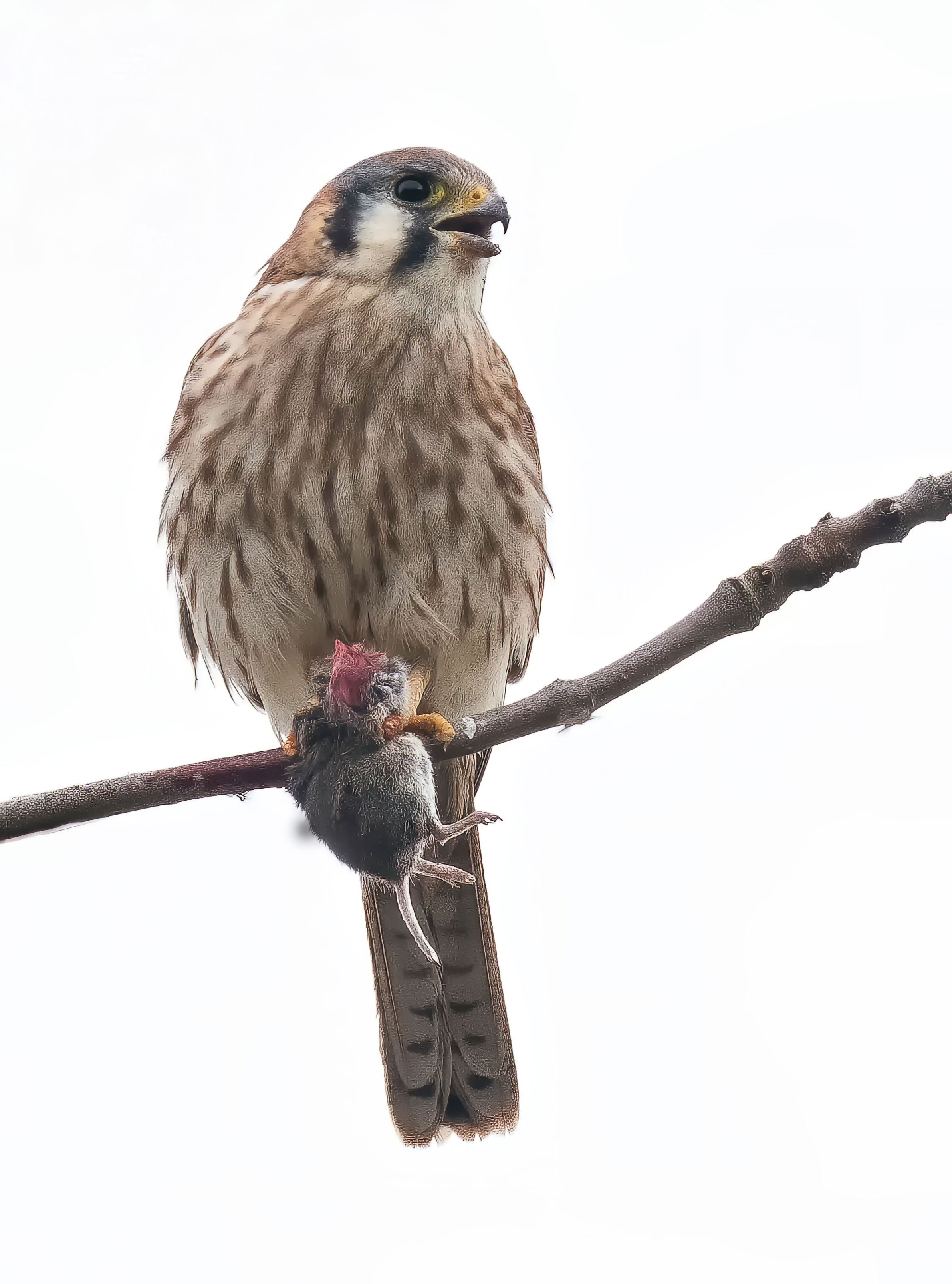
as stated earlier, this image and the others were all taken at a wildlife refuge. The Kestral was hovering, over one spot,checking out its prey. these were all taken from the original raw files. The kestral with the mouse was in a nearby tree. This is a pretty noisy image than I did what I could to reduce the noise and that means using two different noise reduction programs.
Specific Feedback
anything you can say that’ll help me as a photographer with my images
Technical Details
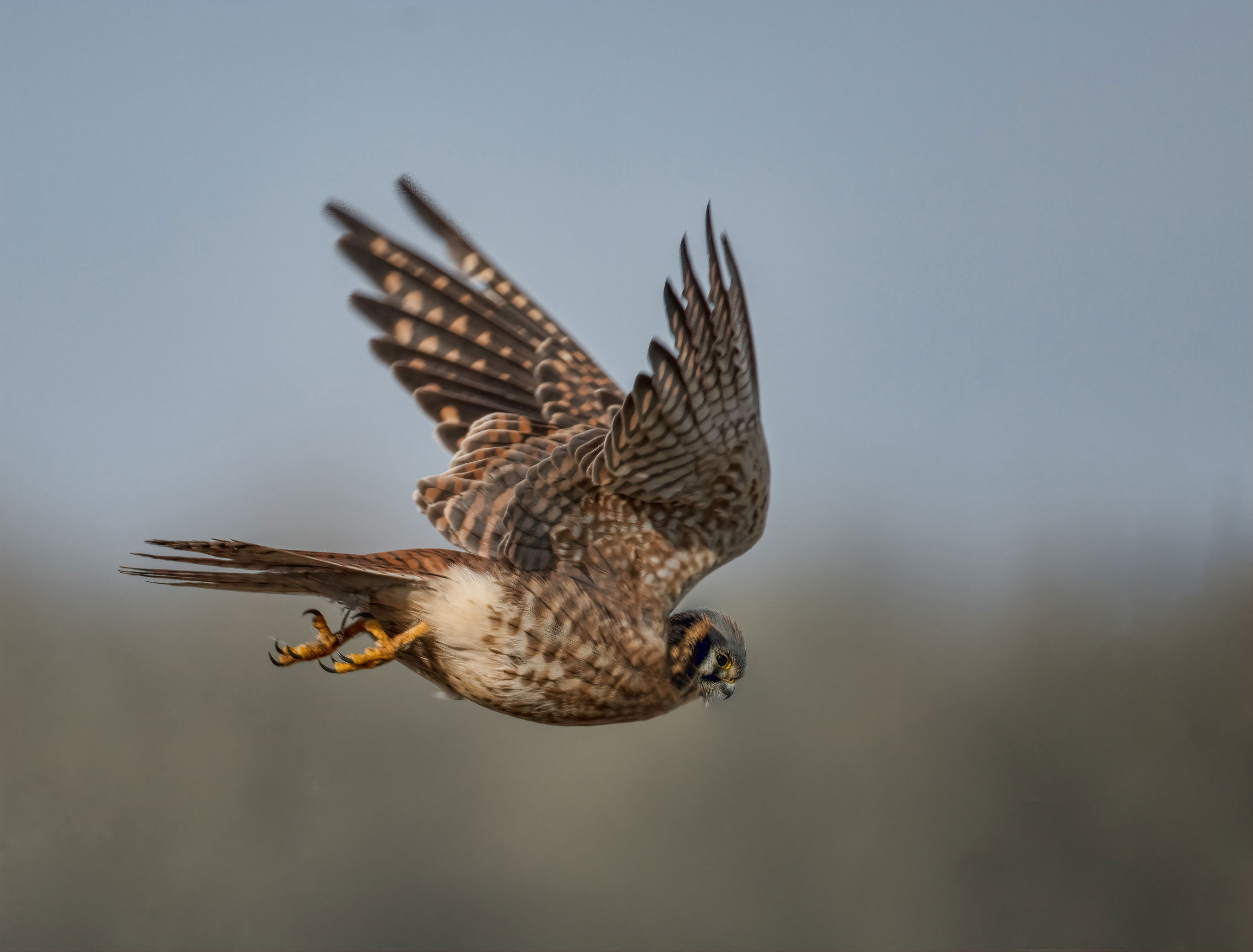
these Kestral images were all taken and wildlife refuge south Olympia and north of Portland. They’re all taken with a Nikon D 500, Iso is variable, Lens is a 200 to 500 1.4 extender,4000 of the second;the Kestral was pretty far away. second image is full frame. last one was pretty close.
Critique Template
Use of the template is optional, but it can help spark ideas.
Vision and Purpose:
Conceptual:
Emotional Impact and Mood:
Composition:
Balance and Visual Weight:
Depth and Dimension:
Color:
Lighting:
Processing:
Technical:
David - nice job getting the kestrel in flight. The last image is my favorite and it is awesome as the head is caught sharp and in focus while the rest of the body shows a real sense of motion. No significant comments on this image.
The first image I think is a crop of the second image. There appears to be some ghost kestrel artifact from the post processing. The second image that is full frame, I think works much better and may not even require a crop in my opinion. The central position of the kestrel breaks the rule of thirds but I think may work well here with all the empty high key space. You could try different crops that work with the rule of thirds with the kestrel in the top right. The third image with the catch is great. I think you have done a great job removing the noise from the background for the high ISO image. I think the Kestrel and the mouse also could do with some noise more removal.
I like the first image the best and my suggested edit is to remove the light colored halo around some of the outline of the kestrel. The best way is to use a layer set to darken and then use the rubber stamp tool to go over the halos for removal. The kestrel with prey has some crunchiness due to sharpening and all of these images are very strong crops. I’m glad that you were able to get some captures as kestrels are becoming very scarce and are difficult to approach. Well done…Jim
Cool images, David. Having them hover within reasonable range is a rare treat. Guarav and Jim did a great job of covering the technical issues and suggesting improvements. The compositions work well for me. I really like the last image, though the bird is moving away from the viewer, it’s not by much and you caught a very interesting transitional post from the hover to the dive in that one.
I thought we were there together when I shot these .
But maybe I’m wrong. This was taken just passed the lake and very close back to the Ranger station. The second image, the one that has the bird in the center of the frame is essentially a full image without any cropping. This should give you some idea of how close we were. I’m pretty impressed with the degree of clarity. I’m still looking on my computer for the original of the kestrel with the mouse. I’m sure that given the quality of that image and all the noise, perhaps I could do something with the original if I can find it.
In my experience, Kestrels are not tolerant of human presence for me have been hard to photograph. So, I’m impressed with the quality of these shots, David. I like the last one with the head turn and good detail with a low perspective and some sense of the background environment.