The photographer is looking for generalized feedback about the aesthetic and technical qualities of their image.
Description
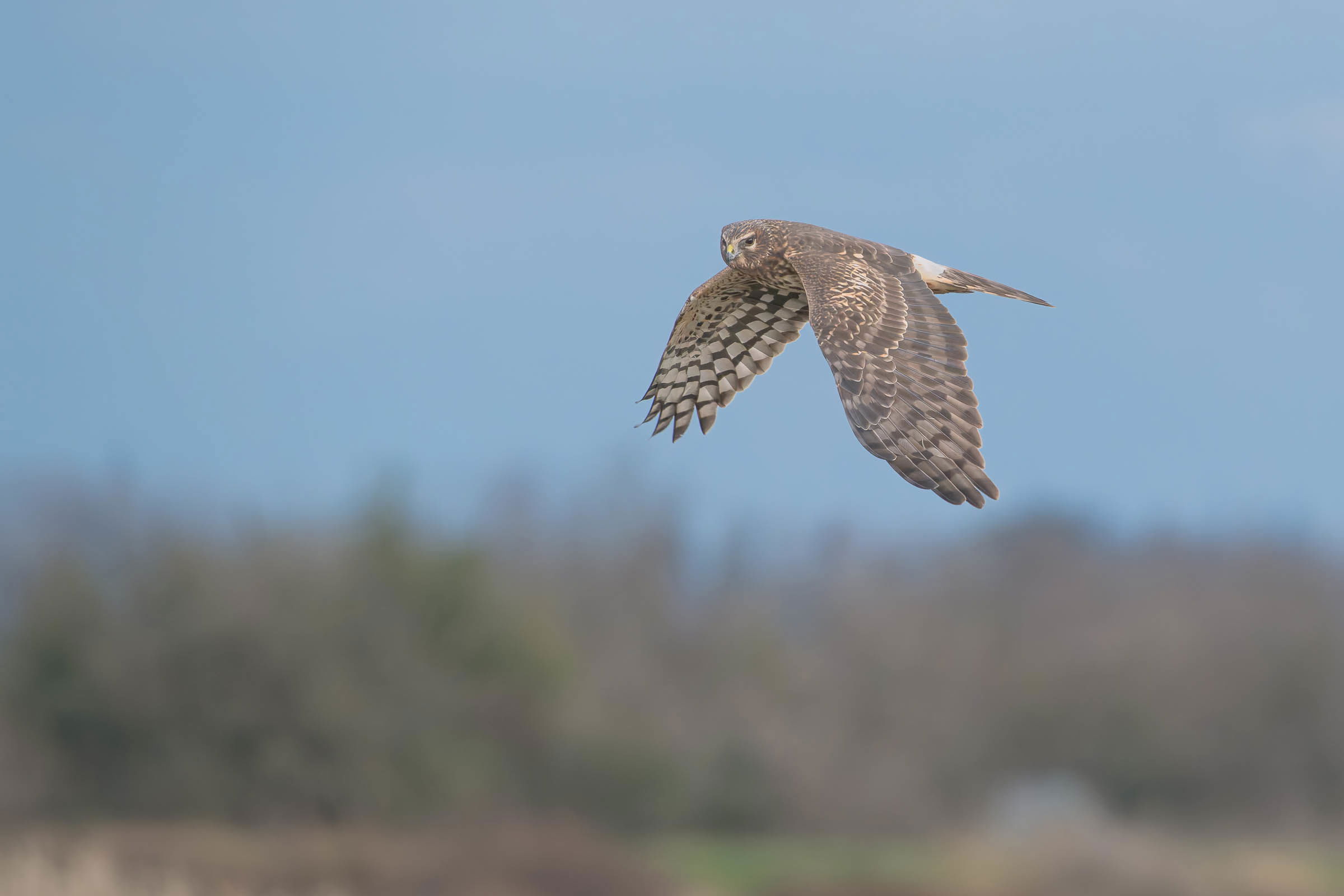
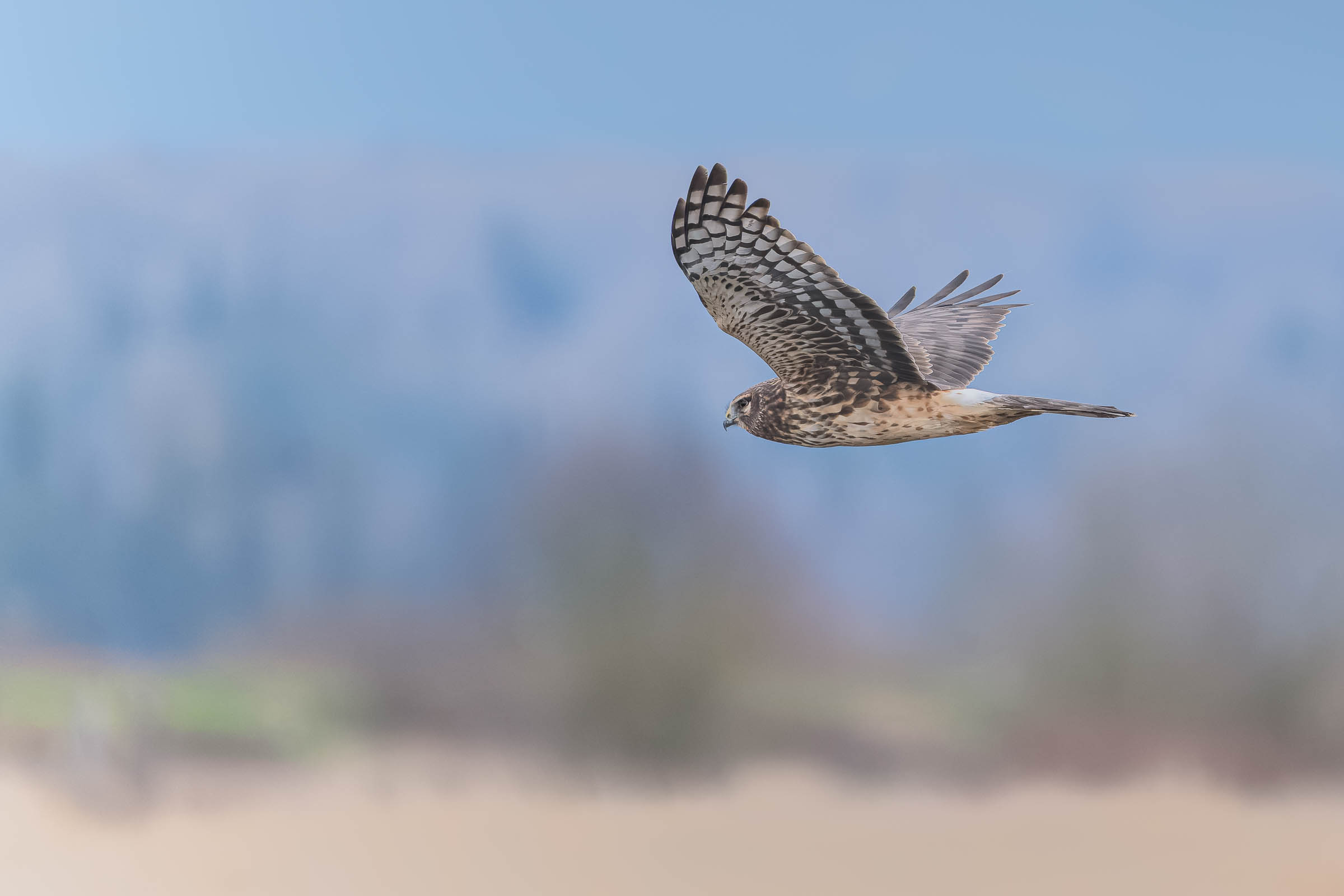
I found these images while scanning my archives and thought they were worthy of processing. These were taken a year ago, along with my previously posted Lunch Time! image.
Specific Feedback
Avian photography is still new to me so any comments are welcome.
Use of the template is optional, but it can help spark ideas.
Vision and Purpose:
Conceptual:
Emotional Impact and Mood:
Composition:
Balance and Visual Weight:
Depth and Dimension:
Color:
Lighting:
Processing:
Technical:
All very pleasing images, Steve. I like that the flight shots show some sense of the environment and I especially like the first shot with the harrier turned towards the viewer.
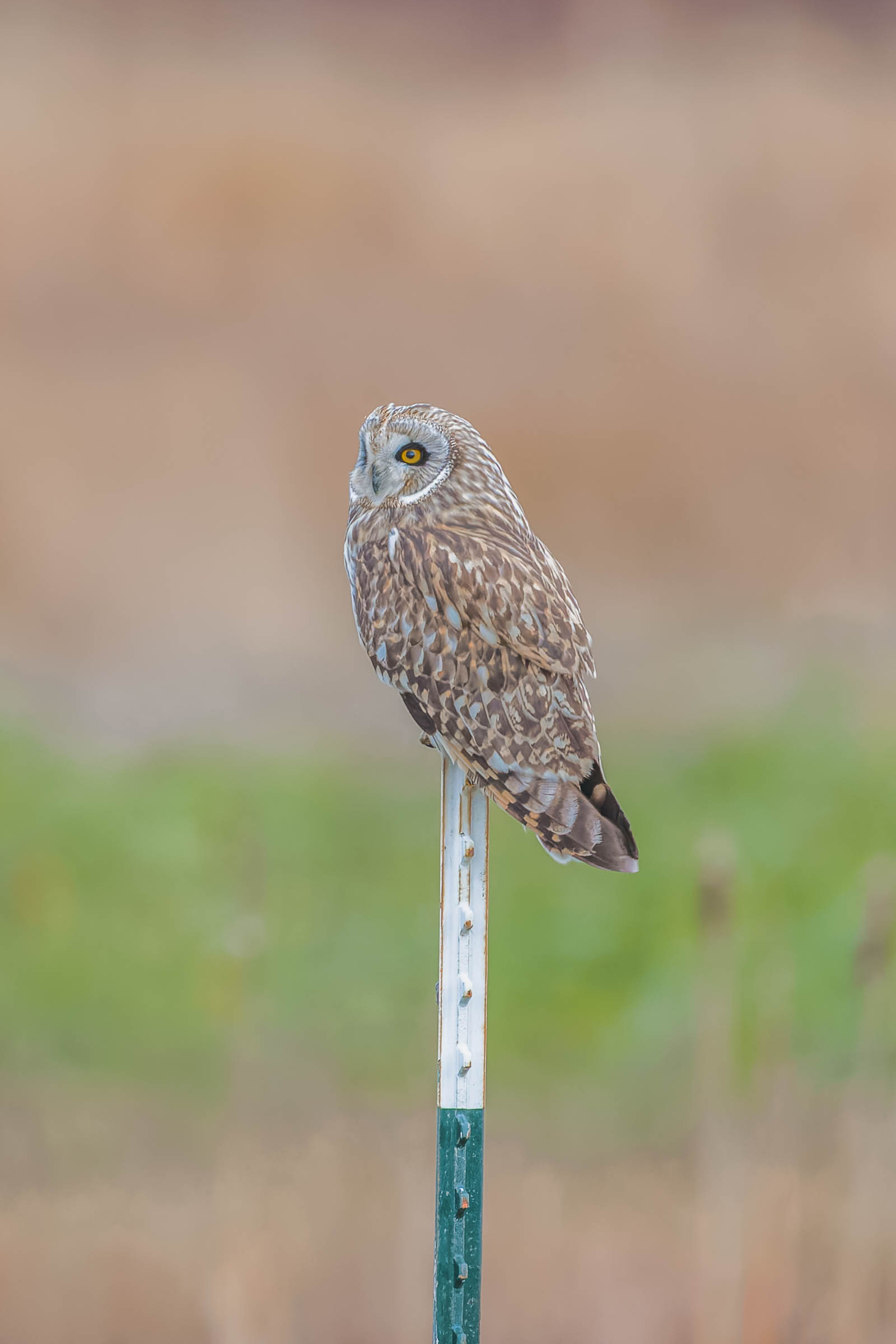
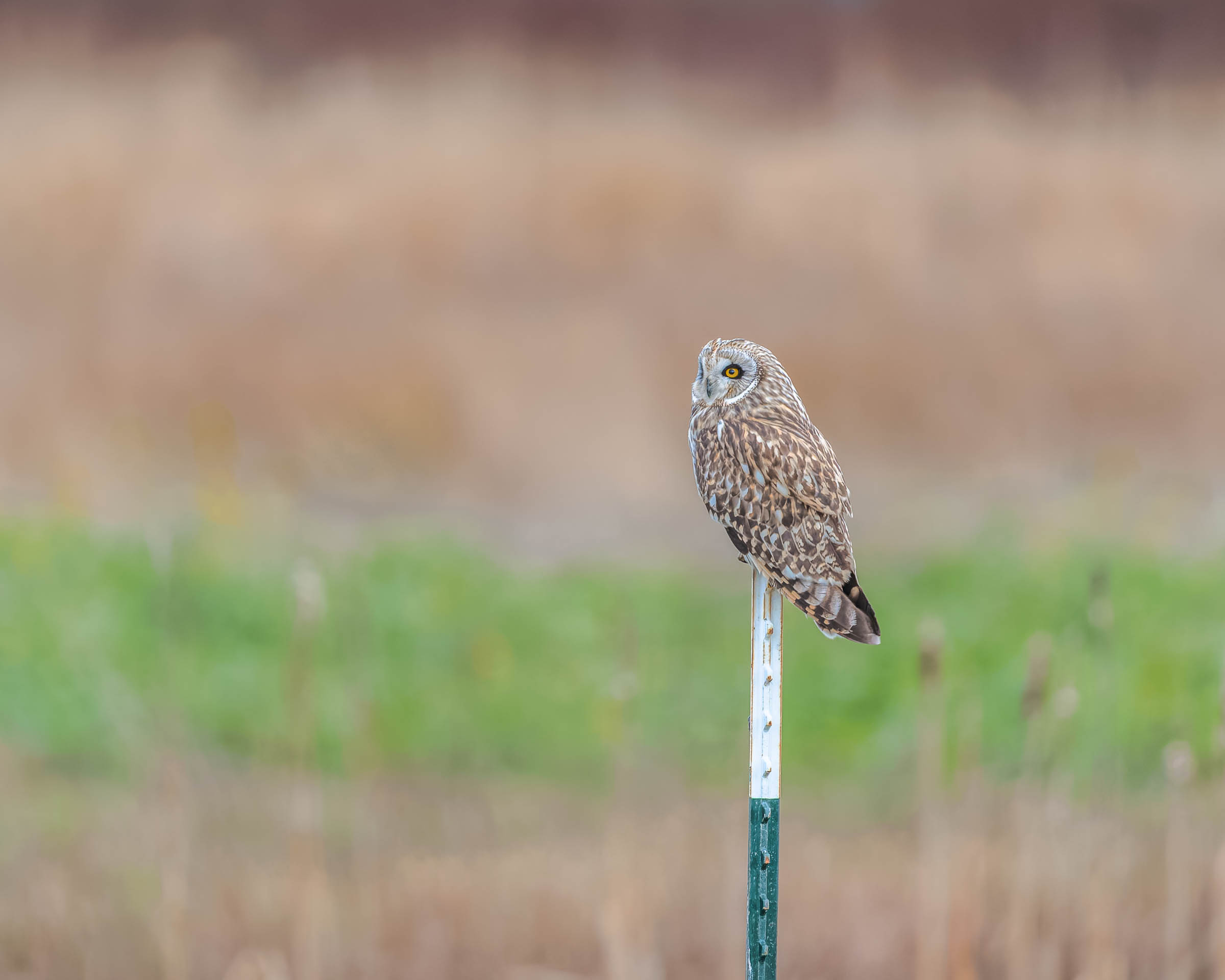
Your Northern Harrier used to be classed as the same species as our Hen Harrier - it’s one of my favorite birds, as it flies so beautifully. It allows us to catch it with the camera in many cool poses (if we’re lucky). And because it often flies low over open but vegetated areas, we can sometimes get good environmental shots of it. You did very well on both counts, Steve. And you show us underwing and top side, plus the attractive white ring, which gives it the name “ringtail” in Ireland and elsewhere. For the owl, it would have been ideal if it’d been showing both eyes, but things are seldom ideal out there!
Being new to bird photography, I’d say you did very well to get these shots, Steve. I have harriers flying through the back yard and still rarely get shots as good as these. The white rump patches don’t seem to have any detail, which makes me think they might have been blown out in the raw files, particularly since you have such great detail in the rest of the plumage. When I’m shooting birds with white features like these or Bald Eagles, I’ll focus on something white and adjust my exposure so it just avoids the blinkies and leave it there unless the light changes. There always seems to be a sign or a flag or something with white in it handy.
I love the muted but intelligible backgrounds in all of these.
A good series and the first harrier shot is the best of the series. Edits for the first would involve reducing highlights slightly and use a curve adjustment to boost up the contrast. The shadows are muted and you should be able pull out more depth with an increase in contrast. Other than that, an excellent series for sure…Jim
Hi Steve, really fine series of these raptors. Love the first shot with the bird pointed our way and nice wing positions with a good view of the head. Fine sharpness on the bird. Agree on working the whites some more if possible. Well done.
The Harriers are perfect as is, to me. I’d consider a vertical or square crop of the owl (a Short-eared?), coming in quite a bit closer. My take on avian photography is not that different from any other kind, except for needing better hand-eye coordination and handholding strength for most situations. It’s about good light, a nice BG, a pleasing pose and enough pixels on the subject.
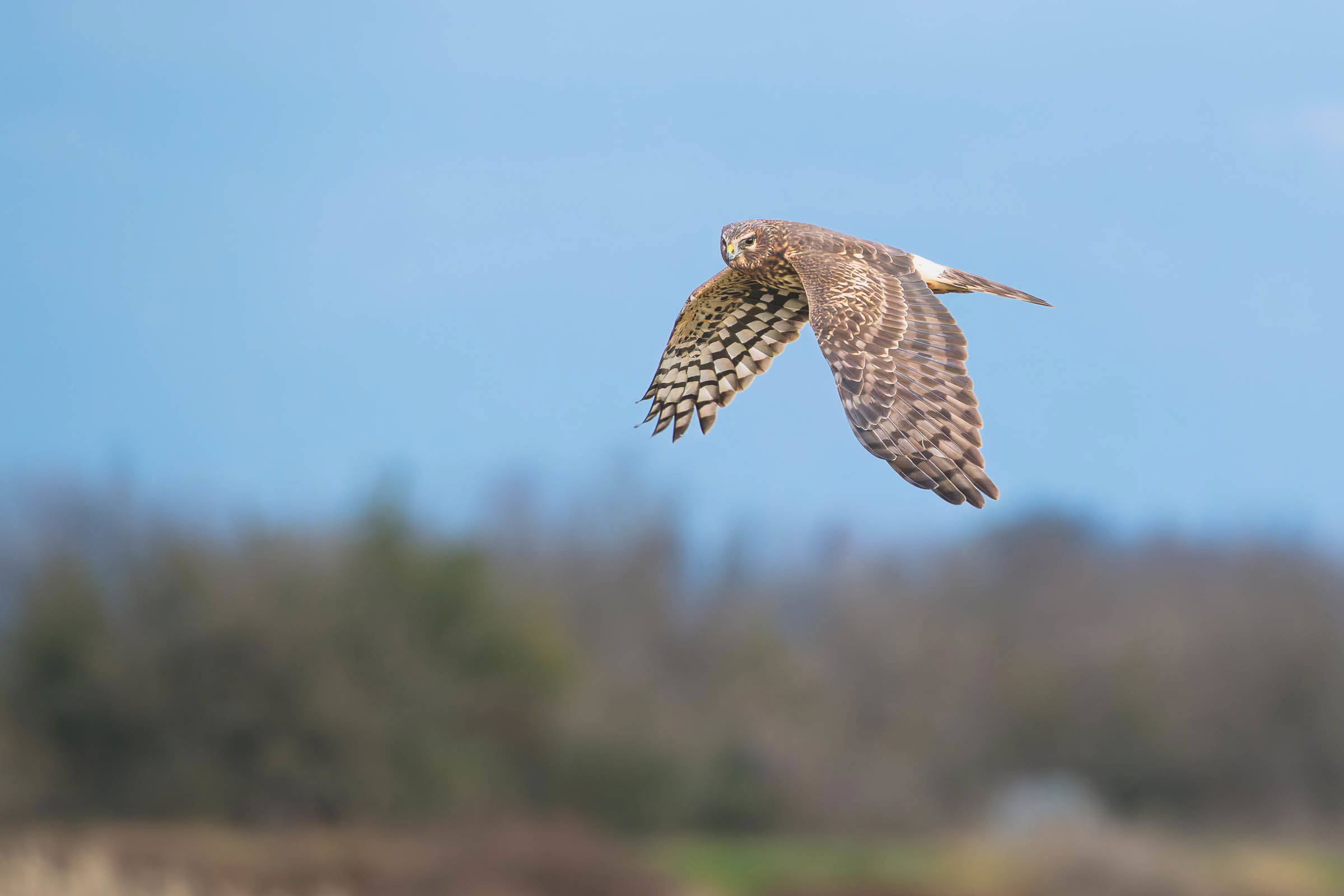
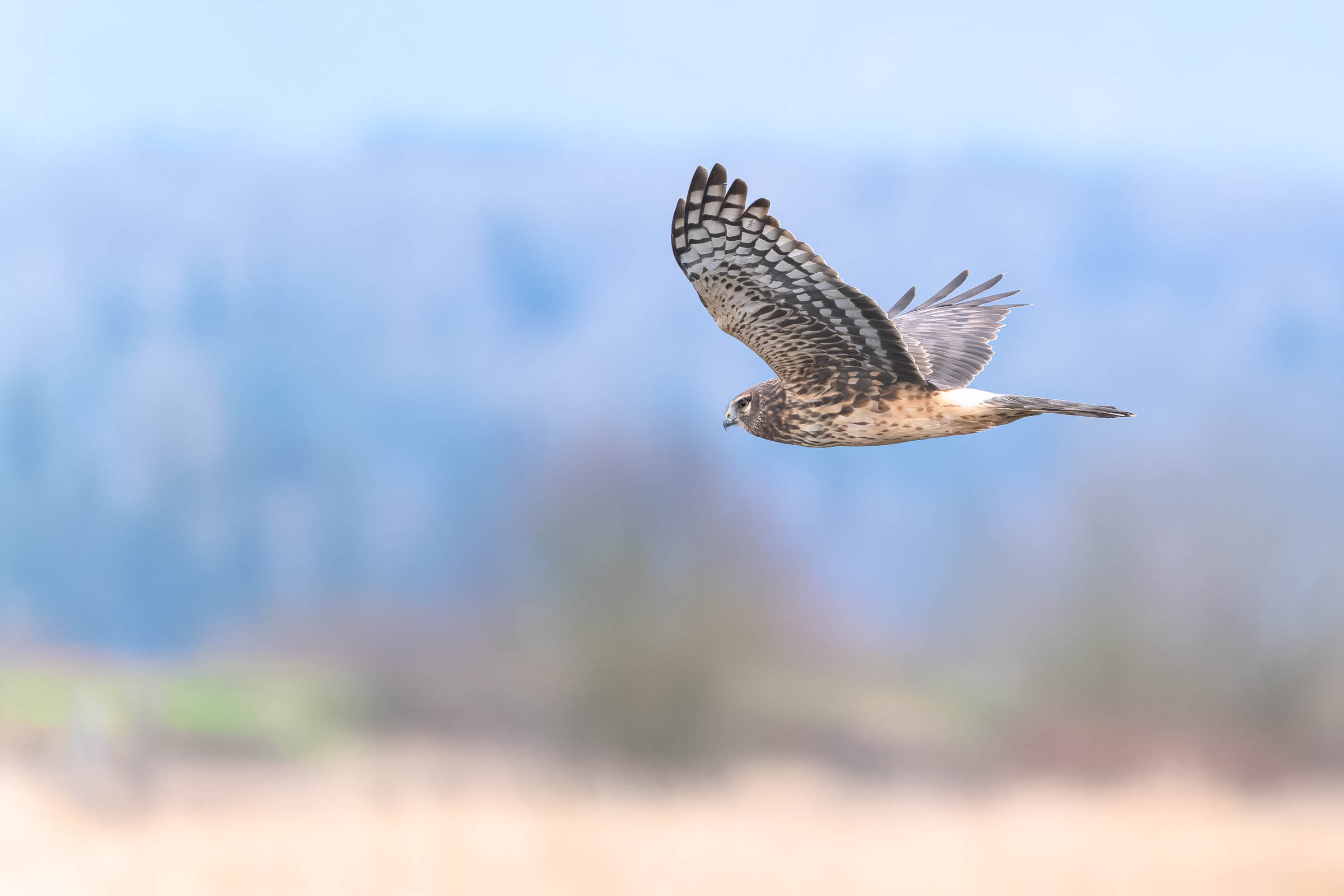
Thank you @Allen_Brooks, @Mike_Friel, @Dennis_Plank, @Allen_Sparks, @Jim_Zablotny and @Diane_Miller for your comments! I’ve added updated images. I had to change to a linear profile to get back to exposure of the RAW file, though I think the white patch is still slightly over exposed. I really need to pay mor attention to the details, both in the field and in post. Thanks again!
The revisions pulled down the whites, but at the expense of the rest of the image. I think there should be room to hold down the whites (probably not quite this much) and still punch up the contrast in the mids. The Curve adjustments in raw conversion would be the first tool to try – on the linear file, of course. A linear profile usually needs more massaging than one of the standard profiles, as they already have the punch of a tone curve.
 Thanks again!