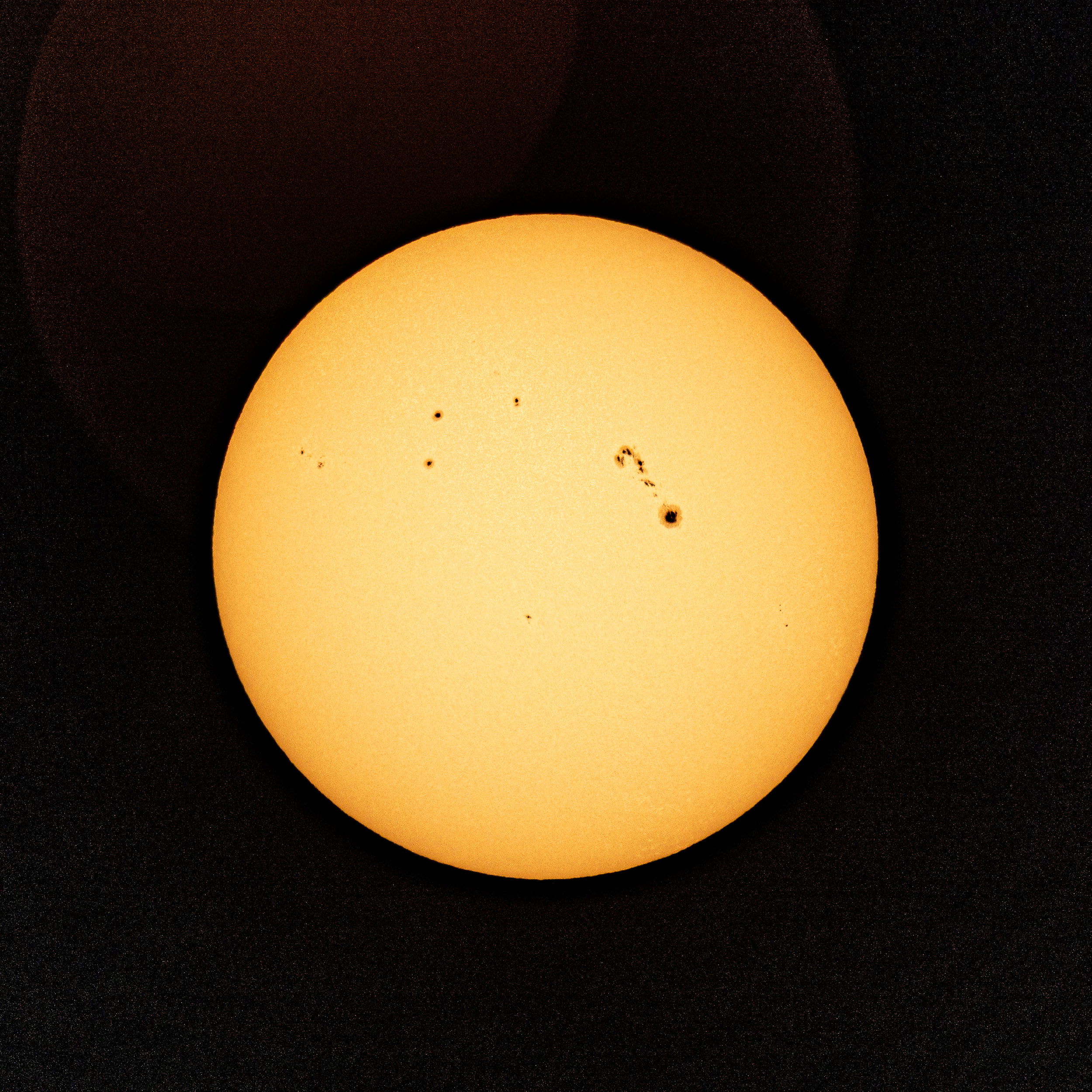
The photographer is looking for generalized feedback about the aesthetic and technical qualities of their image.
Description
We’ve been hearing about possible auroras again, as this massive sunspot is very active.
Specific Feedback
All comments welcome!
Technical Details
Just LR, global contrast adjustments and a crop to 26% of the original pixels.
Critique Template
Use of the template is optional, but it can help spark ideas.
Vision and Purpose:
Conceptual:
Emotional Impact and Mood:
Composition:
Balance and Visual Weight:
Depth and Dimension:
Color:
Lighting:
Processing:
Technical:
So I take it the two are correlated or connect in some way. Cool. The sun is so mysterious even though it’s ever present. Amazing that your sensor doesn’t fry into flames taking shots like this.
They are! Active regions on the sun belch forth streams of charged particles and if they are aimed at us they can cause auroras when they hit the atmosphere and interact with our magnetic field. But the appearance of auroras changes with variations in the magnetic field so forecasts are always with some uncertainty. The wave of particles takes from 18 hours to about 3 days to reach us, depending on its initial energy. Sunspot activity varies on an 11-year cycle of variations in the sun’s magnetic field and we are nearing the end of a peak.
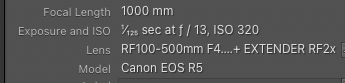
The lens and sensor are protected by a special filter that not only attenuates light hugely, but also filters UV and IR wavelengths that would do damage.
Diane: I was about to say this is way cool, but then, maybe a poor choice of words for this fireball. So interesting and thanks for the lesson on aurora formation. I’ve never seen one but I have seen the sun and love how you’ve rendered the spots. Most excellent. >=))>
Thanks, @Bill_Fach! The first time I ever photographed a sunspot was in Africa back in the last century. It was one of those red ball sunsets through a lot of distant dust, where you could look at the sun safely, and there was a spot on the sun. I thought it was a sensor spot until I realized it was in the same place on the sun in several shots, not the same place on the frame.
And for @Kris_Smith too, here’s another view of the sun the same day, with a very special solar telescope and camera. The note below mentioning lucky imaging is not tongue in cheek. It’s a technique to remove random variations in sharpness – it’s how people get those stunning pictures of planets, which are incredibly tiny.
Very neat image, Diane. I didn’t realize there was a special filter that could deal with the sun! Learned something. Also, about the sunspots and the auroras. I like to learn something every day. Thank you.
Diane— I ALWAYS enjoy your photographs and descriptions, particularly this latest “belching” comment. The sun is such a miraculous and massive star so capturing it the way you did is amazing!