Critique Style Requested: Standard
The photographer is looking for generalized feedback about the aesthetic and technical qualities of their image.
Description
Another good day this morning with lovely light and some luck with birds. I’m guessing this is another “yearling”.
Specific Feedback
All comments welcome!
Technical Details
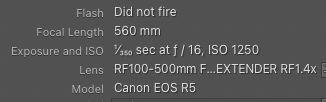
These are just out of LR with only very slight lightening of Shadows and a crop to about 40% of original pixels. No NR seemed needed. That was it.
2 Likes
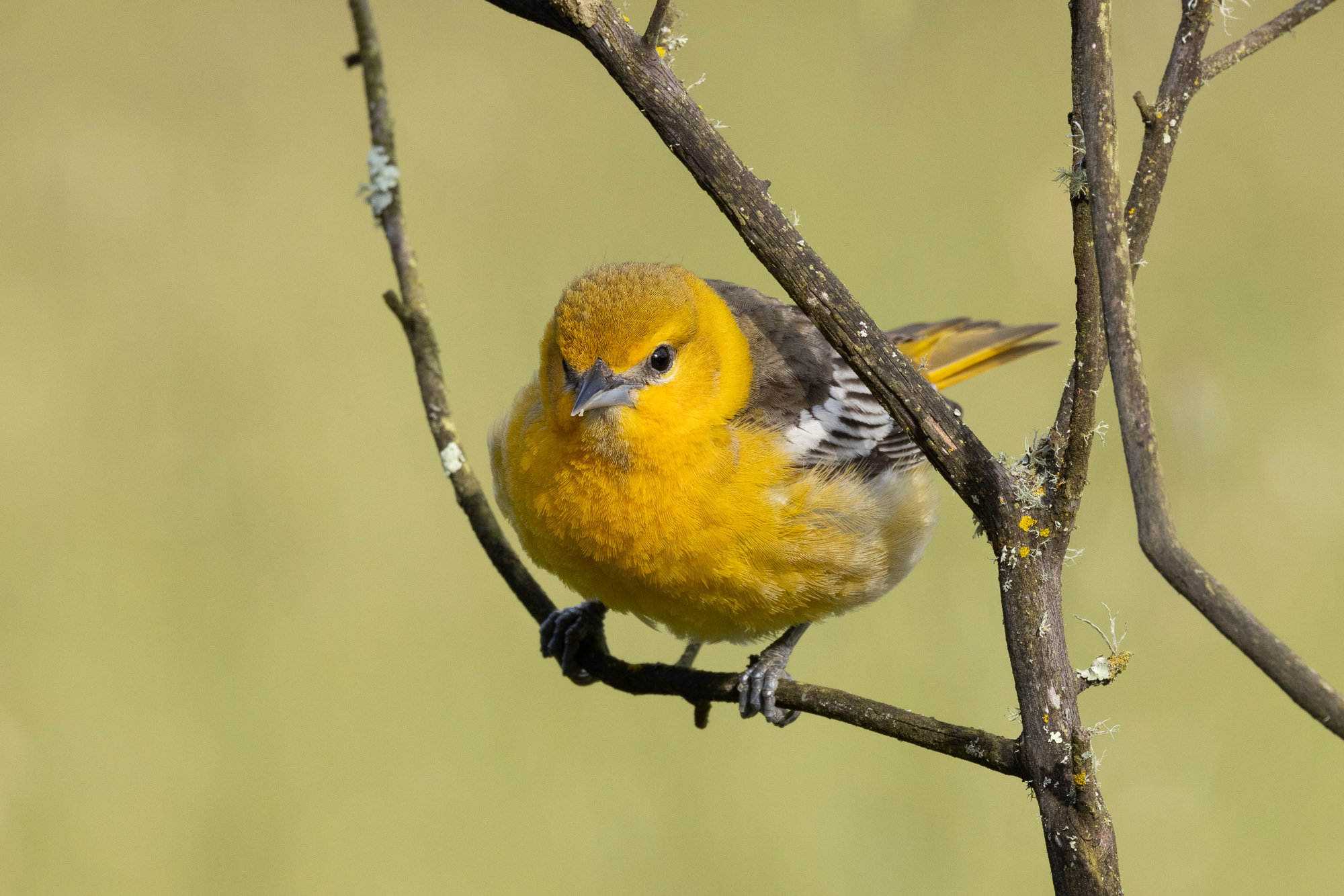
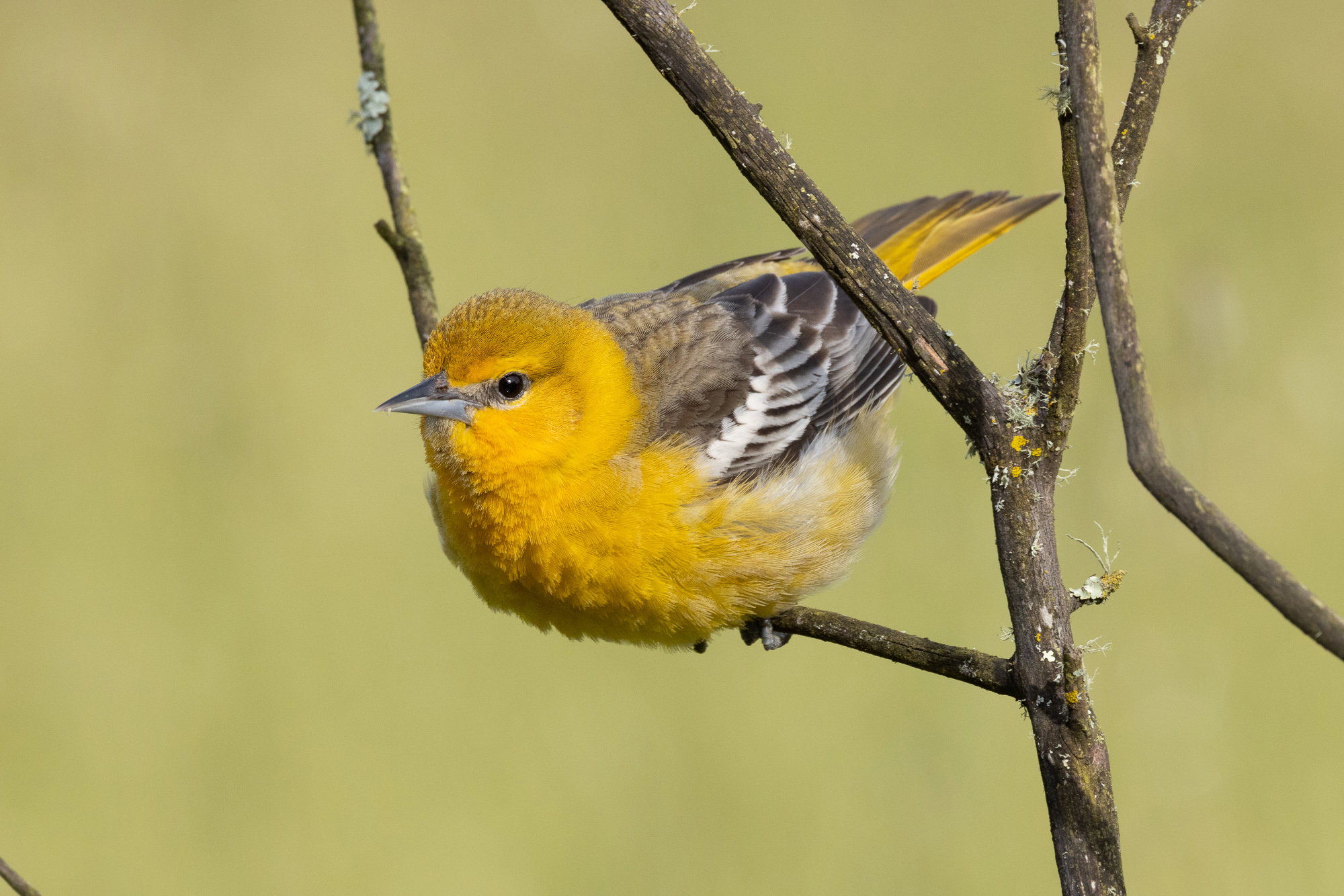
Lovely series Diane. I like the variety of poses with the last image being my favorite (even though there is a small stick that can go in LLC). Pleasing background also. A quite photogenic subject - TFS! Well done.
Thanks, @Allen_Sparks ! And OUCH – I fixed that in the others and didn’t get to that one! Now fixed in the master file. Won’t do a RP.
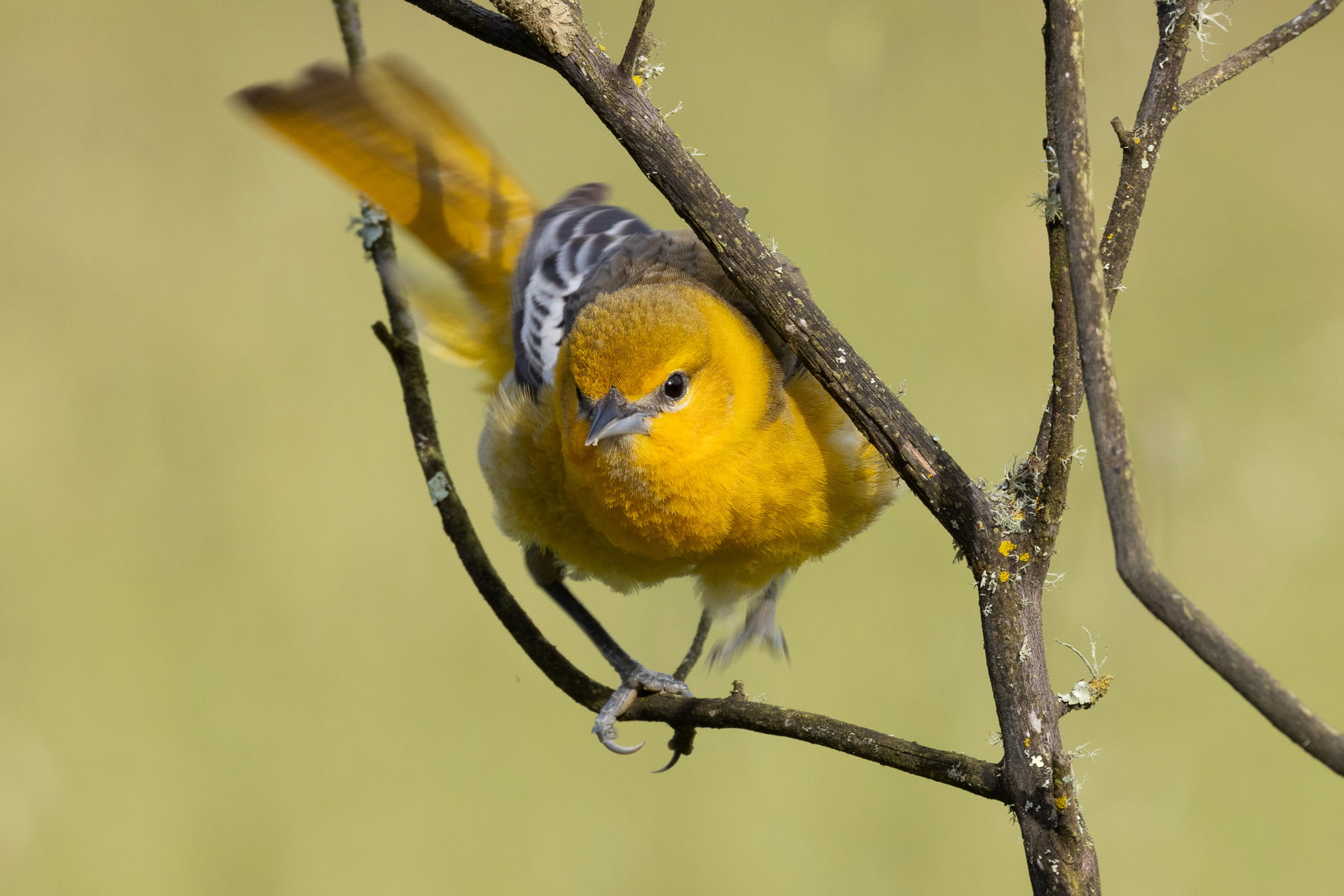
What a great series Diane! I think the little bird is certainly sizing you up. In the first couple he looks a bit wind blown.
I love how the bird comes with matching lichens. Gorgeous background as always!
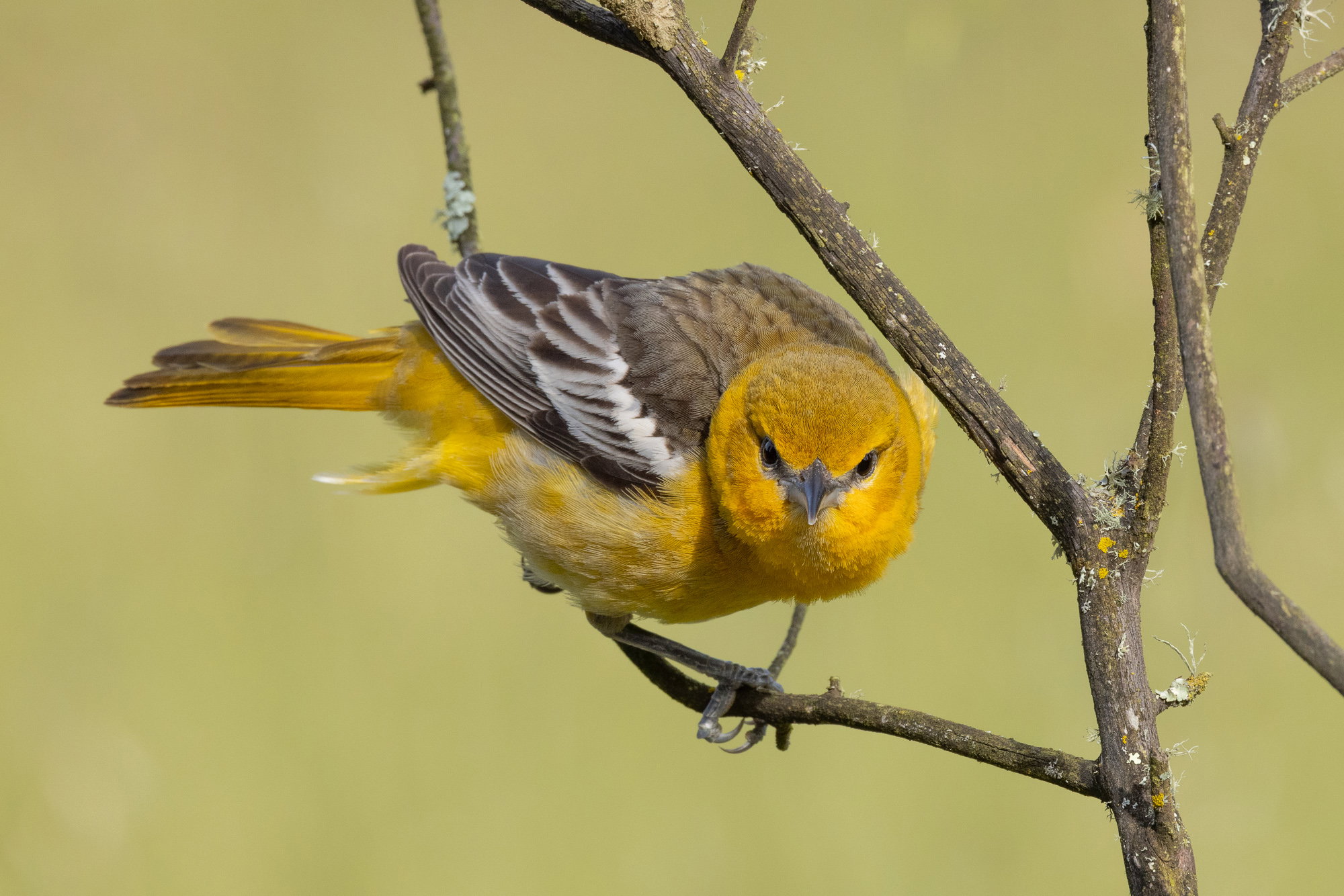
Hi Diane, all of the images are strong, but for me the first one rises above the rest. Both eyes are locked directly on the camera, slanted and slightly squinted, with this wonderful sharpness in the gaze that makes the encounter feel almost personal. There is real character in that look. It does not feel like a bird being observed. It feels like a bird observing me back, and not entirely pleased about it.
That direct eye contact is what gives the frame its bite. It pulls the viewer in immediately and holds them there. The squint adds an edge of attitude, almost an eyebrow if birds had such a thing, and the slight tilt of the head lends a confrontational tension that the other images do not quite reach. There is humor in it too: the unmistakable feeling of having interrupted something important and being judged for it.
The other shots are lovely in their own right, but this one has presence. It tells a tiny story in a single glance, and that story happens to be: you are standing a little too close, human, and the bird would like a word.
Just dropping in to say what a lovely set of images of this oriole. I’m not much of a bird photographer, or birder, so I rarely comment on them, but this one got my attention.
ML
once again, excellent detail and color. all the poses are a lot of fun. Great collection of birds that don’t make it’s my area.
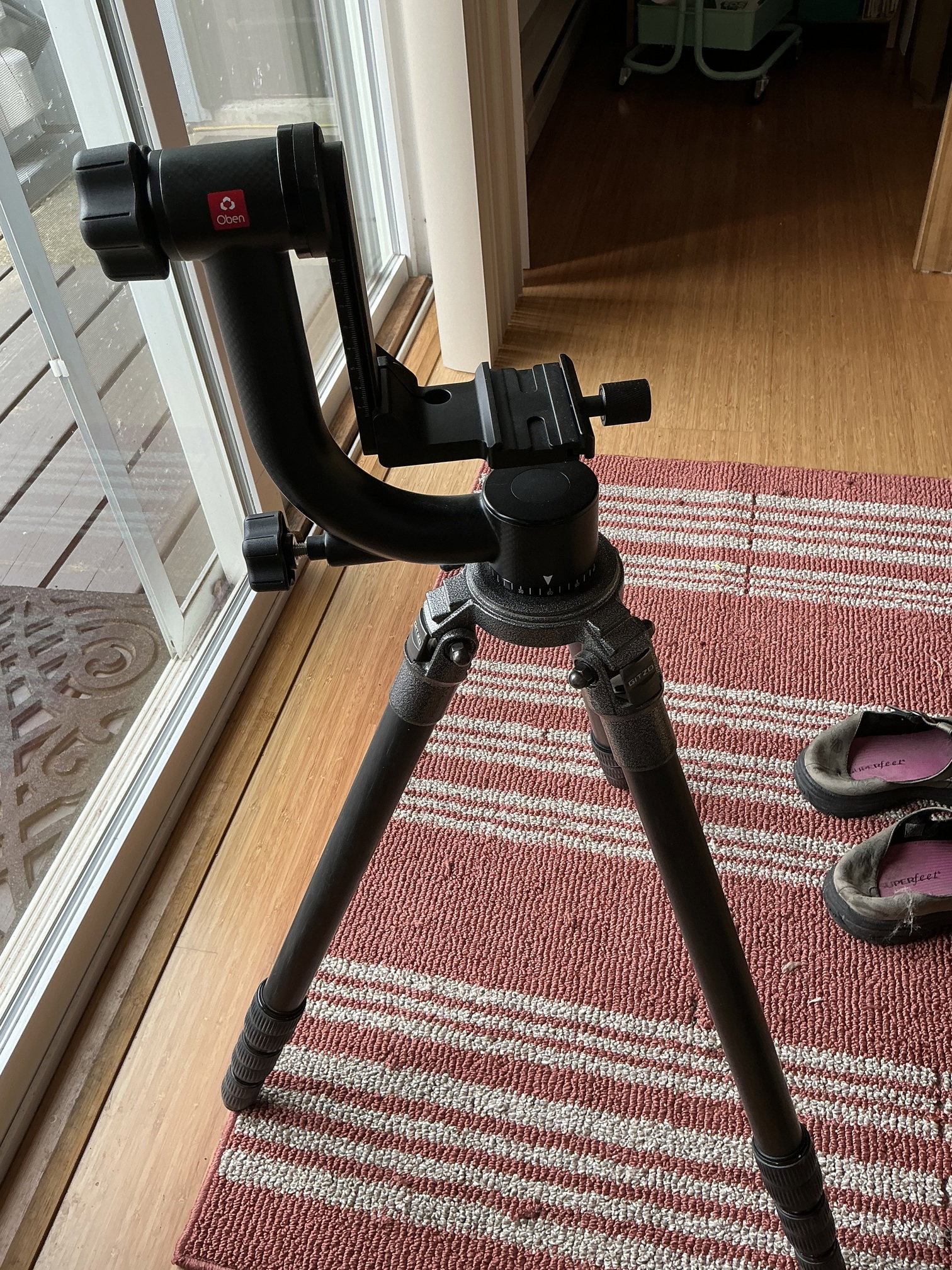
Yes, Diane, I agree with you about the gimbal head. I initially had a wimberly gimbal but it was way too heavy so I sold it and bought the Oben. I like it so much that I got another one to go with the monopod.
Thanks again for reminding me that I can use both. …. As a crutch to support me and to support the camera.
David
Thanks, @Glenys_Passier, @sebastien-maloron , @Marylynne_Diggs and @David_Schoen !
Sebastien, I see you’re new here! I love the image you posted of the cactus, and love the description you gave above for this lucky capture. I look forward to seeing and hearing much more from you!
David, that rig looks great! I have a Sidekick on a monopod but it’s so clumsy I rarely use it. My small and lightweight RRS tripod with a FlexShooter head goes on longer walks. I carry it with the legs extended to standing height and find it comfortable to carry with one leg on each shoulder and the other leg over my head. Super easy to plop down and snap the camera on. Someone said I looked like a bagpipe player!
First image is the best one of the series with the sharp head on pose. The oriole is poised like a spring ready to jump from the perch. I have been looking for Bullocks oriole on our property and I expect that one will show up one of these years. Well done…Jim
Diane,
Wonderful series of photos. How do you get so many different species of birds in your neck of the woods!? Besides that, the texture in the feathers ,especially the head, and the lighting are just stunning. Great work.
Thanks, @Jim_Zablotny and @Youssef_Ismail ! I always think we don’t have as many species as we should. There are several more kinds I see in town (with usually no way to shoot them) – I long for Butterbutts, Mockingbirds and Chickadees. We put out feeders, as does at least one neighbor, which may help. And there is a decent-sized pond about a mile away which may help a little. In addition to the undeveloped part of Safari West over the back fence, a couple of miles north is 4,000 acres of Pepperwood Preserve and the same distance south a new regional park that is not yet open, about the same size. I think the Orioles and Grosbeaks nest in our Red Ironbark Eucalyptus, and we put out birdhouses for the Bluebirds. We lost our Quail herd in the Tubbs Fire but now a small group has moved into a brush pile along the creek. It is now a very protected brush pile and I every so often I scatter millet for them. I had the earlier herd trained to come to the house every morning for feed. When I turned on the kitchen light they would come out of a blackberry stand and march up the driveway and pace around until I went out to scatter feed. We lost the blackberry stand, too, and the new brush pile is farther away so I haven’t trained the new ones yet.
Diane—± Your photos are so in your style I now know it’s your shot before I read who is the photographer. Perhaps you already do this for bird and related source publications? If not, you easily could! So great.
I really like this series, and I especially like the first image as the bird seems to express a real attitude. The second image is also striking but the fact that the tail feathers are blurry distracts me a bit. But honestly, that’s a small quibble and this whole series is a definite Wow.
Thanks @tom.marin and @Lisa_Erdberg ! Tom, that’s a lovely compliment but I haven’t pursued any publication options – haven’t even found time to stay connected with the local Audubon chapter – shame on me!
I like the first best, Diane, for the direct stare. Excellent detail and lovely background.
Thanks, @Allen_Brooks ! And now I’m thinking this is a female. There is some white on the lower belly. I see several color combinations that have to be juveniles at various stages. It’s difficult to find pictures of juveniles of almost all birds.
Very nice series of this oriole, regardless of age or sex. One of the problems with that level of identification is that most of the parameters you find listed were developed either in the era of “shoot and identify later” or by the bird banding folks who have the luxury of having the bird in their hands. My wife has a copy of the standard reference from her days of banding and it’s almost useless for identifying from a photograph.
Thanks, @Dennis_Plank ! Reassuring that I’m not the only one who finds this difficult.