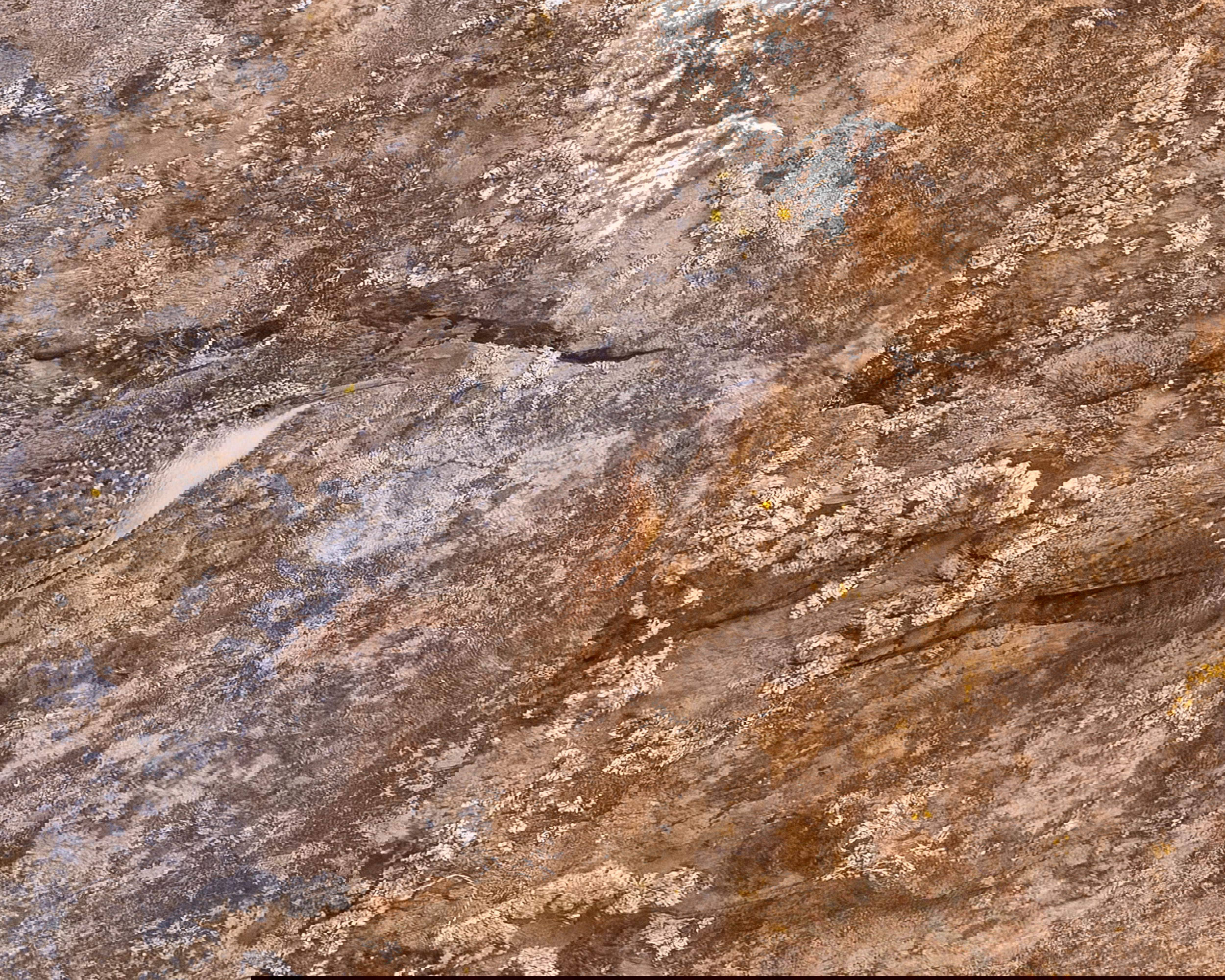
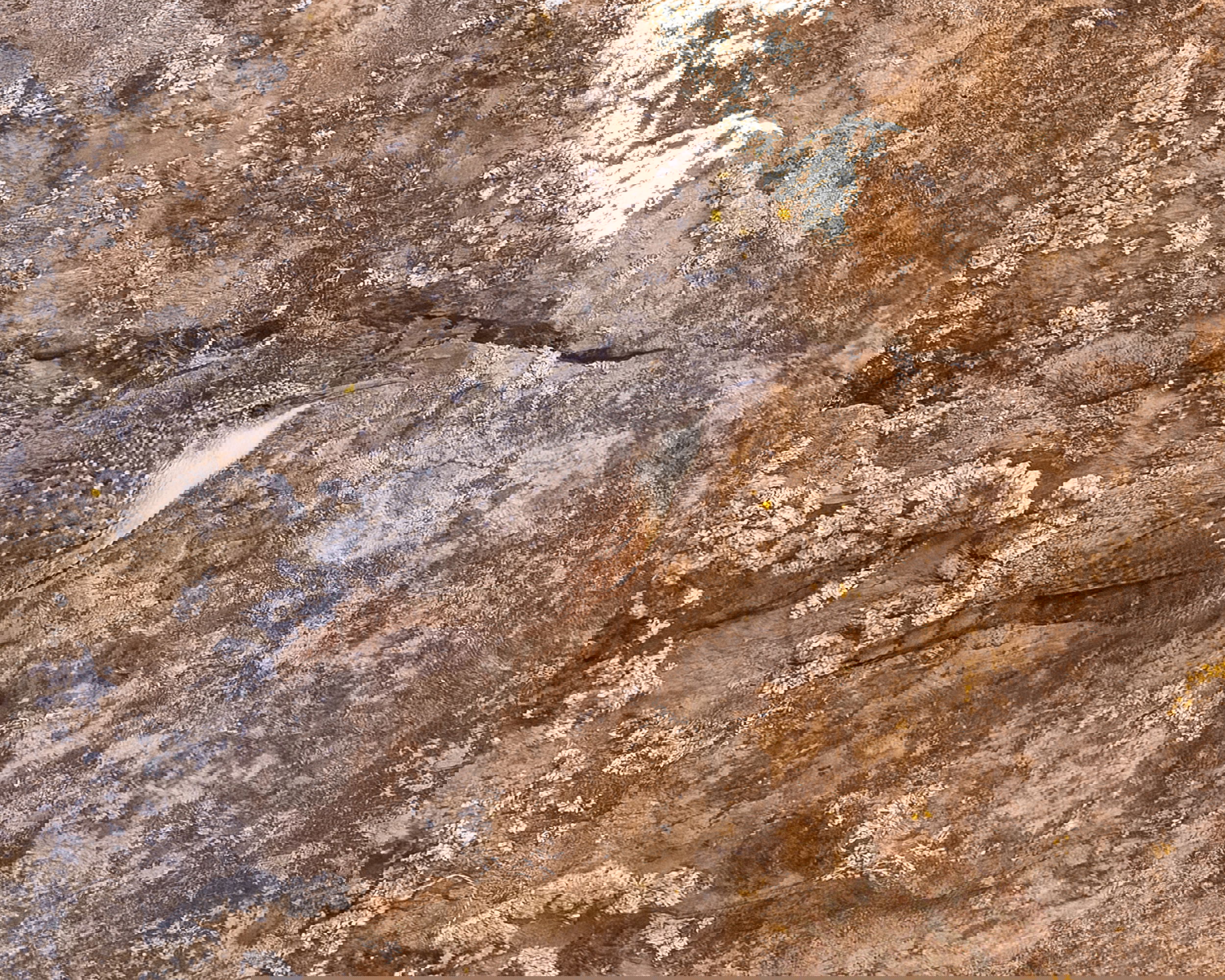
The photographer is looking for generalized feedback about the aesthetic and technical qualities of their image.
Description
Rarely have I seen a bird so well camouflaged. LR and PS could not adequately select the bird from the background.
Specific Feedback
Any thoughts appreciated.
Technical Details
Canon R5; 100-500 at 500 mm; 1/1000 at f10; ISO 8000
Critique Template
Use of the template is optional, but it can help spark ideas.
Vision and Purpose:
Conceptual:
Emotional Impact and Mood:
Composition:
Balance and Visual Weight:
Depth and Dimension:
Color:
Lighting:
Processing:
Technical:
It is beautifully camouflaged, Allen. We just had a club member sharing night on that subject and this would have been a great addition. To my eye, the whites on the bird and in the lichen above it look blown. I don’t know if they’re recoverable, but it’s worth a try.
Hi Allen, really nice camouflaged shot showing how this wren survives and surprises prey. Love the patterns on this bird and the rock. Agree with toning down the highlights.
Nice capture, Allen, beautifully camouflaged against the rock and lichens, I hardly see or hear this bird anymore on my walk through the canyons. I would with agree with toning down highlights .
Thanks for the comments, @Dennis_Plank , @Allen_Sparks , and @Stephen_Stanton . I’ve reposted with my attempts to tame the whites, but not sure I’ve turned the sow’s ear into a silk purse. How do you go about bringing down the highlights without creating a gray, muddy effect?
Hi Allen. The two ways I know that work the best for me are in order of ease: Use the local adjustment brush in LR and just pull down the highlights slider. That’s the best because you can do it in the base raw file. If it doesn’t work it’s a good indication that they’re completely blown and not recoverable. You can do the same thing in ACR or just about any other raw editor. In PS, the best way is to use a lights 5 luminosity mask so you just pick up the very brightest whites. Once you have the mask, you can either use brightness or a curves layer to bring them down.
If it were just a bit of the white throat on the bird, you could carefully clone in some of the unblown area, but it looks as if it may all be blown in this image.
An outstanding study in patterns and textures here. This is a great setting for this bird! I think one could go two ways on the composition. This centered, squarish view isn’t bad, as it emphasizes the bird’s camouflage nicely. You might argue that “directionality” in the comp isn’t needed because the texture between subject and setting is the main story here. OTOH, because of the bird’s diagonal pose, I think placing it in the lower left third of the frame would also be a sound choice.
I suspect the rework of the highlights needs to land somewhere in between the two versions. The reduced highlights in the throat make it appear as if a warming filter has been applied… the colors actually seem off in that version as a result.